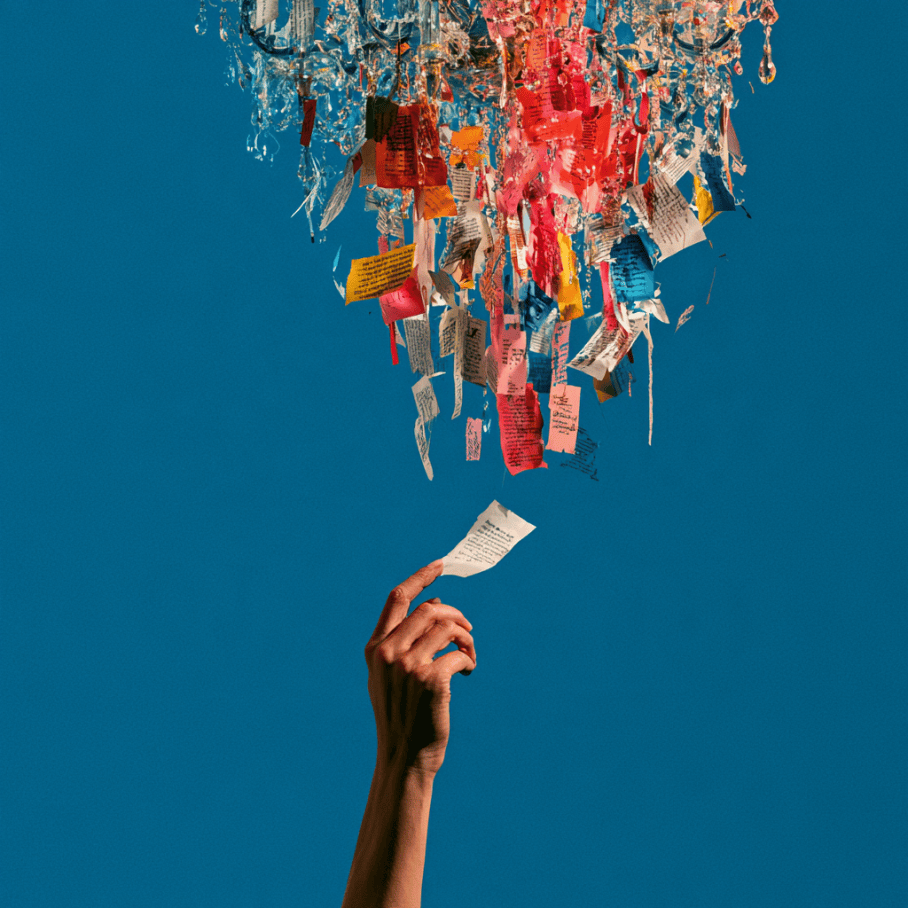
Ah, all those perfect words, the mot juste that strikes just the right note in a work of fiction, and all of its many friends.
The cat that is thought of as having “an existential crisis” (in a story set before 1900). My recent favorite: the woman who points out the advance of a disdained persistent suitor to her friend with a murmured “incoming” (provoking the sudden invocation of the Vietnam War and causing all sorts of related scenarios to invade the quiet fields of Regency England).
These authors are perfectly sound in choosing those very terms (they mean exactly what they want them to) — they’ve just forgotten that those words have a birth and a background that rings a false note when used out of their place and time, and, in some cases, result in book flinging (real or metaphysical).
It seems to be much easier to grant historic birth and lifetimes to physical objects and political events than to metaphors, slang, the advance of science, and so forth. And who can blame them? We spend so very much of our social lives embedded in nonce words and slang, in current scandals, in single-word summaries of complicated scenes (think of “incoming” above), that they fall naturally from our pens in fiction. The mastery of today’s terms to discuss today’s news is an achievement, but the shallowness of that mastery is profound for the graduates of today’s sham education.
Of course, if they read more widely, these authors would learn the use of interesting words over time.
Spoken (or thought) words define the age and characters of the people that use them, and if the author doesn’t understand their uses properly, the characters who are assigned to use them become risible and out of the place of their environment. Perfect words lose their perfection when they torpedo the reader’s trance.
The choice of apt terms risks defining (all too well, sometimes) the age, experience, and education of their users. Good stories can absolutely be told with modest vocabularies — but the anachronistic uses of wrongly-dated terms are deadly to the flow of any tale, in their breaking of the incredulous reader’s trance, as he pauses to shake his head or laugh out loud.
What are some of the most outrageous anachronisms you have encountered (or perpetrated)? Why did they shock you, and what did the shock do to your concentration on what you were reading?




Leave a Reply