If there were a day of writers, it should be April First.

Well, yes, it’s April Fool’s day and you have to be a fool to get into this job. But beyond that, writers are supposed to create illusions that “fool” the reader at least for a while.

And if we do our job properly, the reader is happy for it, because it entertains, amuses and sometimes makes them think.

Of course, like with a good April First joke, which has to be silly enough you’re not actually FOOLING people because frankly that’s not fun (and sometimes pollutes data for years.) it is a shared “fooling.” The reader’s mind in fact will collaborate with us to fill in an otherwise thin and unconvincing narrative.

I’m always shocked when finding that readers have imagined parts of my worlds I never described and even more so how often they are the same I have in my head.

Because I swear really good stories, when the world building is right, etc, you just run with the writer into a sort of shared dream.

What not to do? You know it. Don’t do the stupid things that throw the readers out of the book. Like the mystery I was reading today referring to “Boomers” as packrats traumatized by the depression…. which happened before they were born? I guess? What is wrong with people?

Of course if you’re writing a mystery, there’s another level of fooling. It’s the sort where we enjoy being fooled, or actually seeing through the fooling, but in the end having it proven that the fooling was “fair” i.e. that we were given the tools to see through it, if we hadn’t been so expertly misdirected.

Not a mystery per se, but a fan suggested as an example of such perfect fooling Tolkien’s “Speak, Friend, and Enter.”

And she’s right.

Of course, as writers, we like to look back at books that fooled us and figure out how it was done.

What is your favorite time of having been fooled by a book, and how do you think it was done.

5 responses to “Fooling the Reader”

  1. Peril at End House. Agatha Christie was the mistress of making you think “gee, I know i am supposed to like / not supposed to like So And So but actually I feel the opposite way about them” and then you get to the end and discover that actually the supposedly likable one you did not is the murderer and the “weird” or “unpleasant” one you did like may not be a saint but also is not a murderer. (I would say Darcy and Wickham but IIRC I pegged them pretty well from the start, partly because I was already reading a lot of Christie-Sayers-Allingham by the time Austen came into my path).

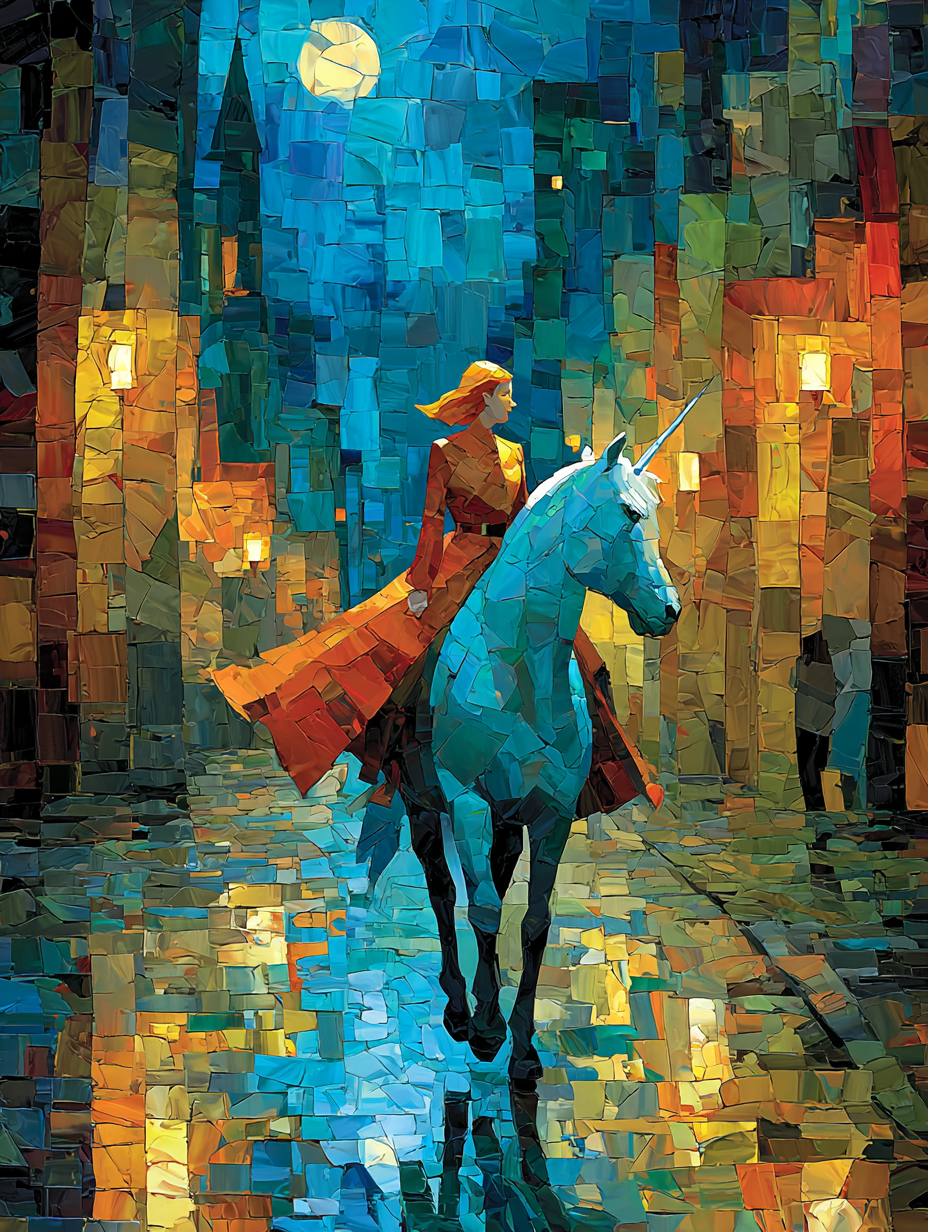
  2. Especially beautiful image today. (And no fooling either.)

  3. Agreed on the lovely image. (I predict a future of miscellaneous mosaics here for a while.)

    While I like a good fooling, it hurts to read a bad one.

    I just finished (gritting my teeth and narrowly avoiding damage flinging reader at wall) a mediocre period Romance book by an author whom I will not be patronizing again. You could trip over the setups for each “eventual surprise” that entered with a clang, fueled by random misunderstandable behavior/speech by the principle parties, villain included. Not only were few characters rational in presentation (various obvious motives designed to present as genuine), they were not believable in ordinary polite situations and basic psychology. (Think teenage squabbles neither acceptable, understandable, or tolerable in a home. If these were my relatives, I’d have found a long stick and a bundle for my shoulder and left. And that includes both the primaries.)

    It addition it was period-based, with misunderstandings about what was possible, but that paled in comparison to the structural attempted surprise plotting.

    It reminded me of the sort of home theatricals where an audience is dragooned into attending an amateur home stage presentation by bumptious kiddies who can’t see out into the dark. When the final curtain-drop is over and they turn on the lights, they find nobody is left to applaud.

    There are time I wish I were less of a completist and willing to discard books sooner.

  4. Just wrote my first story with the twist ending. Not usually my thing at all. I eventually gave up reading Arthur C. Clarke because all his stories ended with a thud. Even his novels (umm, Childhood’s End) felt like they were just a long setup for a punchline.

  5. The thriller “The Paris Express” is a book about a train disaster. The author build up the tension by hinting the cause of the train disaster is a bomb one of the passengers is carrying.

    Only at the climax of the book is the real cause revealed – and it’s not the bomb (which is aboard). Yet when the reveal is made, it is done so skillfully your instinct is not to throw the book across the room. Instead you slap your head and think “How could I have missed that?”

    A marvelous, marvelous tale.

Leave a reply to Frank Cancel reply

This site uses Akismet to reduce spam. Learn how your comment data is processed.

Trending