
I’d started gathering what I needed for this post, and got a little sidetracked earlier this week. That led to me being in front of the camera on my usual Thursday podcast/livestream appearance, instead of inserting asides in the conversation from, well, the side. Specifically, I was being asked to get ranty about AI* art. Which I was happy to do. There are persistent myths, which I fear will never entirely subside, surrounding this particular software tool. I have written about them before, in the Mythos of AI, so this post is more about the other thing that crops up regarding AI.
It’s not real art, it’s too easy… it’s cheating… which really goes back to the cultural perception that being an artist (of any flavor) has to be painful and often fueled by mental illness. Leaving that aside, using the software to render what you want isn’t exactly easy. It takes time, and it takes skill, and sometimes? It’s not possible. Still, it speeds the process of sketching and rendering up enormously, as Alma pointed out last week, that alone makes it a great tool for artists and designers. When I compare it to the hours I’d spend on poring over stock images trying to find elements that could possibly work for the cover I was designing, it’s so much less frustrating than that! Which is not the same as saying that it’s simple and there is no more frustration.
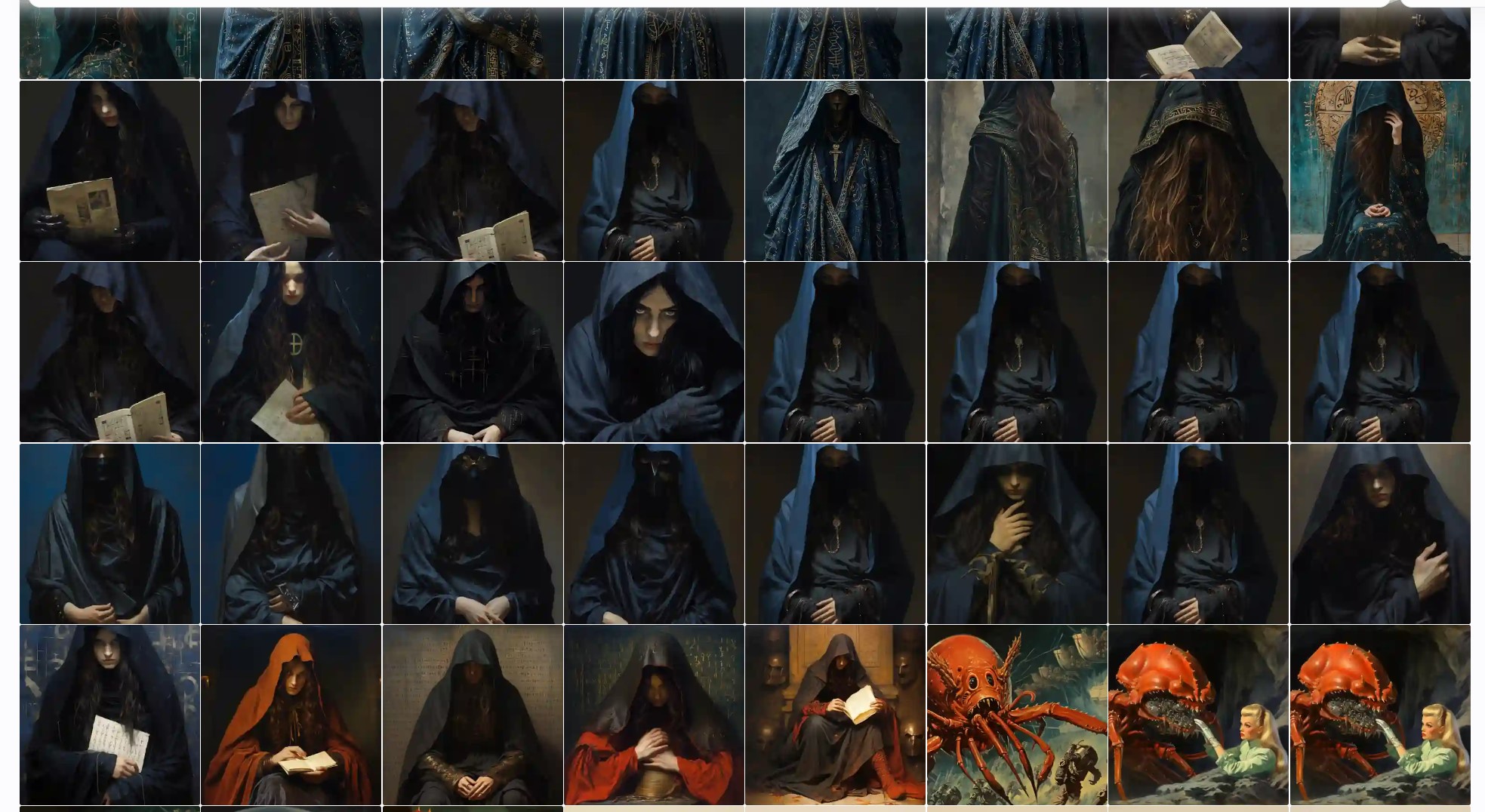
One of the main limitations of AI is that it’s not a mind reader (thank goodness) so you need to be able to write out what you want in a coherent and logical (because it’s a machine, ergo much more logical than a human) fashion to guide the model in the direction you want. An artist can render out what is in their head, precisely. The software cannot. An artist cannot render out what is in their client’s head precisely, unless the client can manage to convey exactly what they want… and most of them cannot.
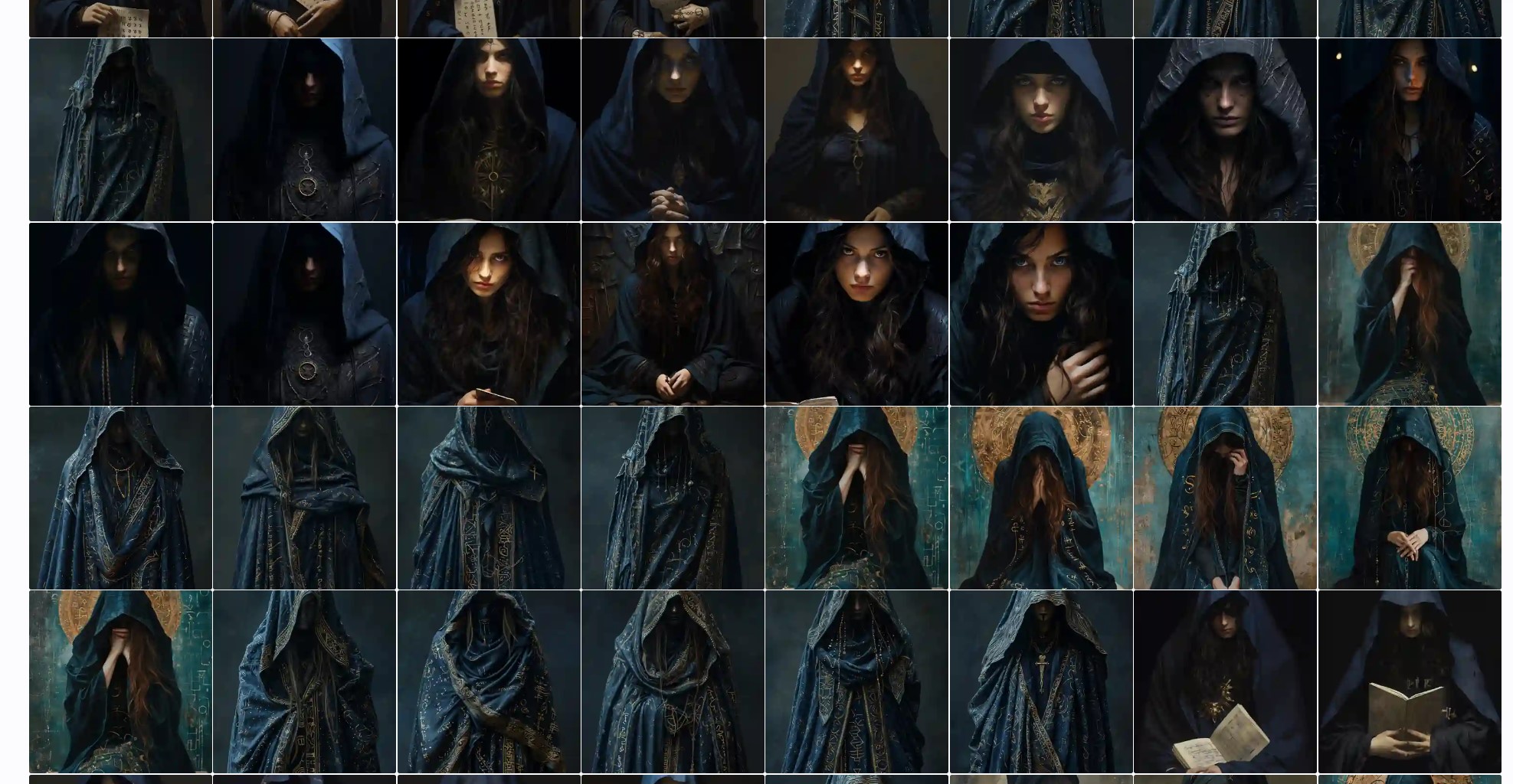
Most artists are not also graphic designers, it’s two separate skill sets. I am both – but my artistic style isn’t suitable for book covers generally. So I put the designer hat on when I’m working on a book cover. I’m not looking for a precise rendition of my inner vision. I’m trying to create art that is visually gripping, will sell the book, will send genre signals, while also standing out from the pack of other covers on the page. It is not an easy task. It is well worth the time and effort put into it, from the research that begins when I start work on a cover, to the final tweaks to lighting that will enable the cover and text to pop on both thumbnails and print copies.
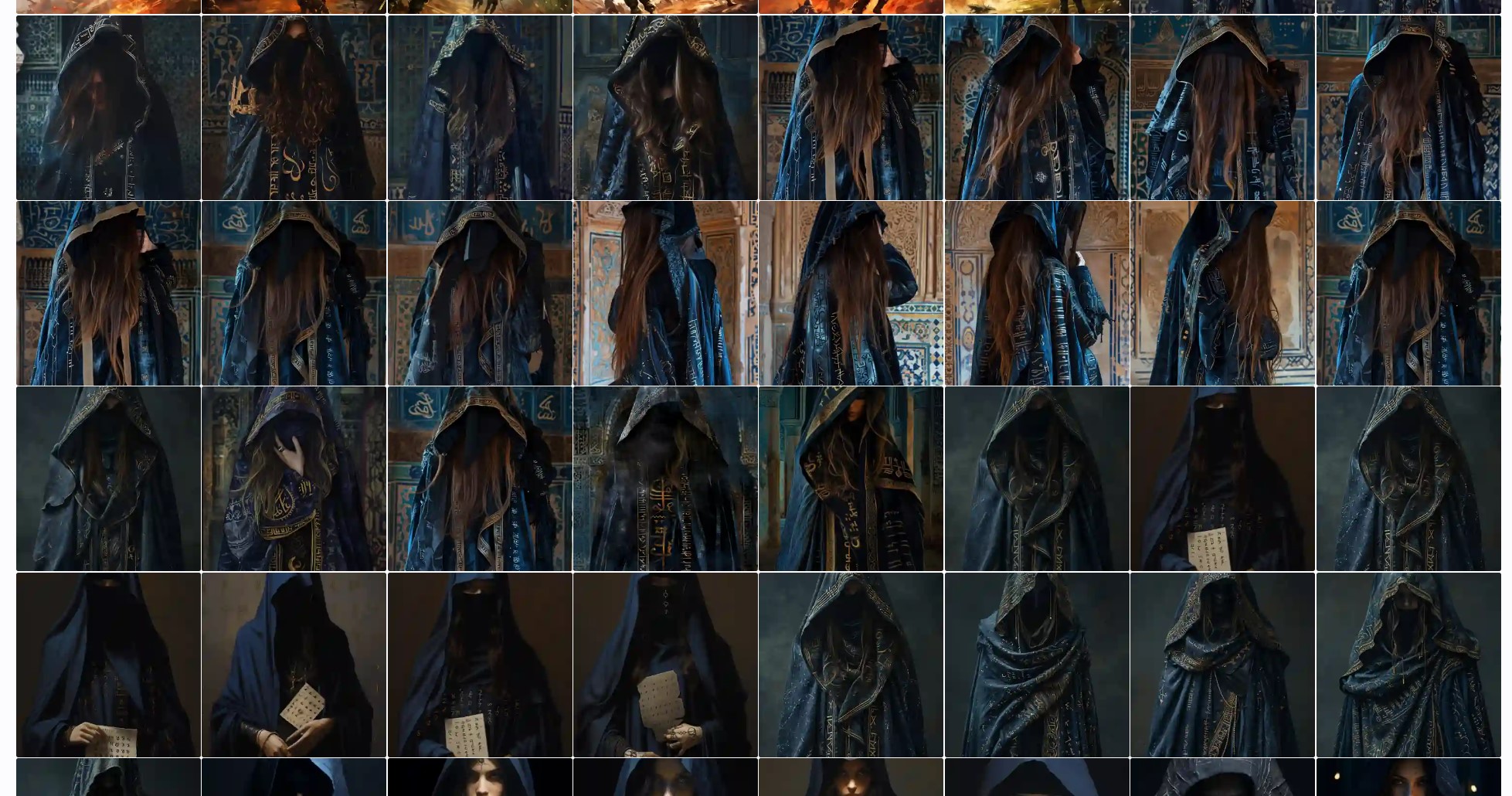
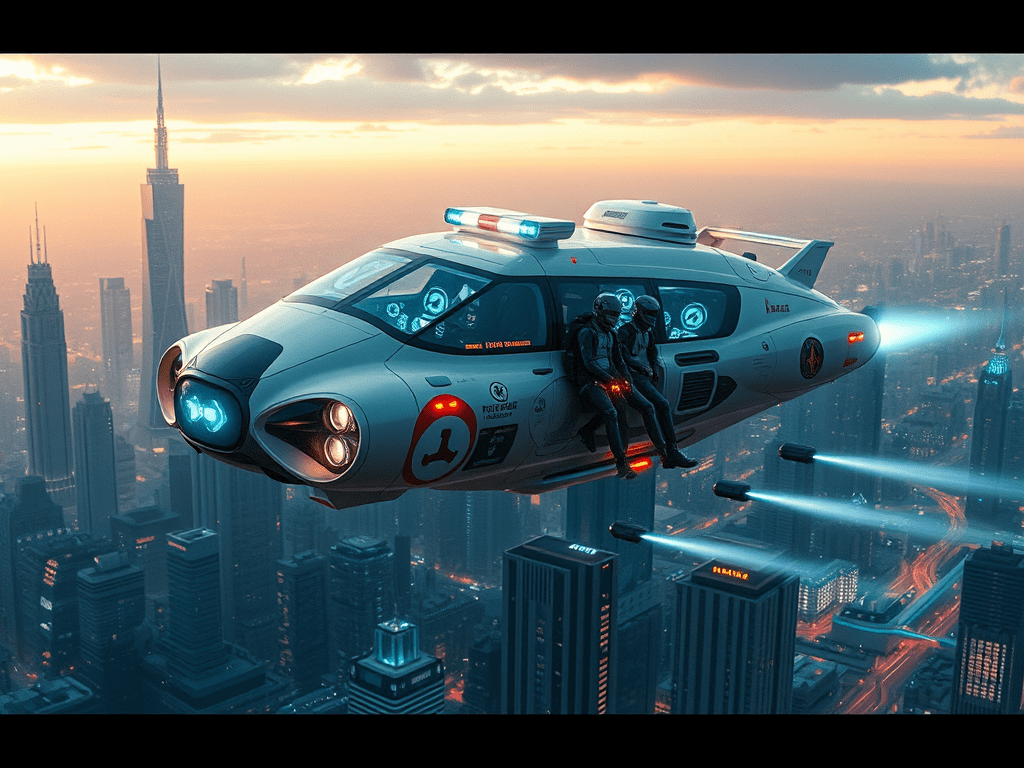
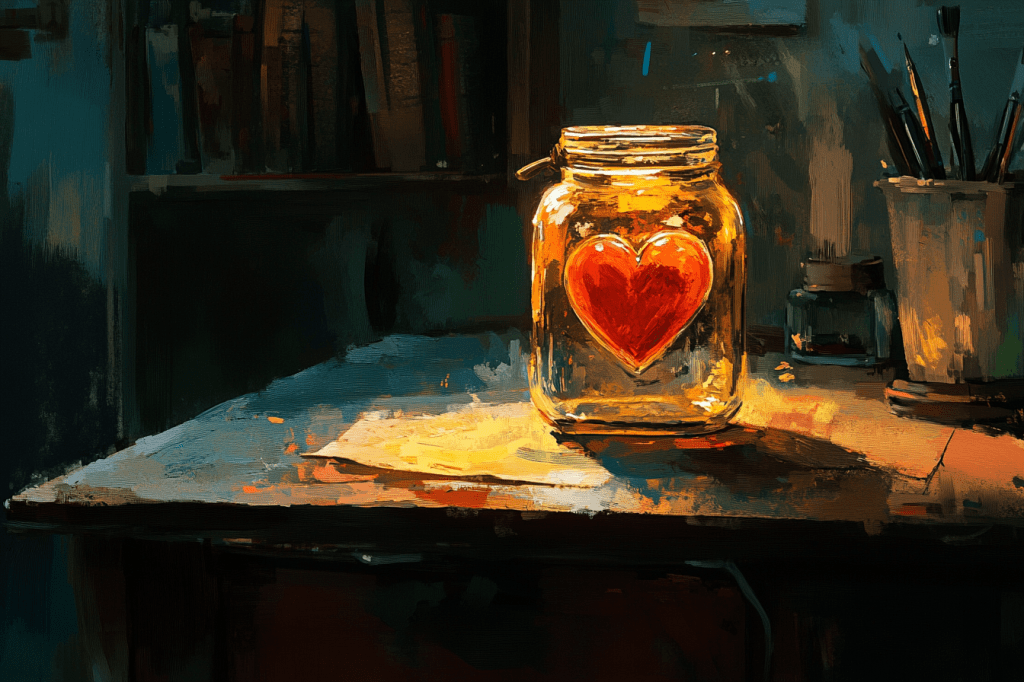
So why am I sharing these images with you? Well, that one’s easy. I didn’t make the sale. Ultimately, the client wanted a very large set of images, very rapidly, and oh, they didn’t want to pay a lot for them. I said fine, you know I use AI, yeah? They agreed, I got a vague art brief to work on, and I started out on the work you see above, which was only for the initial image they requested. The final sketches I sent included one they really, really liked. They asked for small personalization touches. I could do that. Then, they wanted me to make major changes to the image, by hand, and show them all of the work done so they could say that the final work hadn’t been done by AI. Can I get this done in less than 24 hours, at the same rate you quoted for AI generated art?
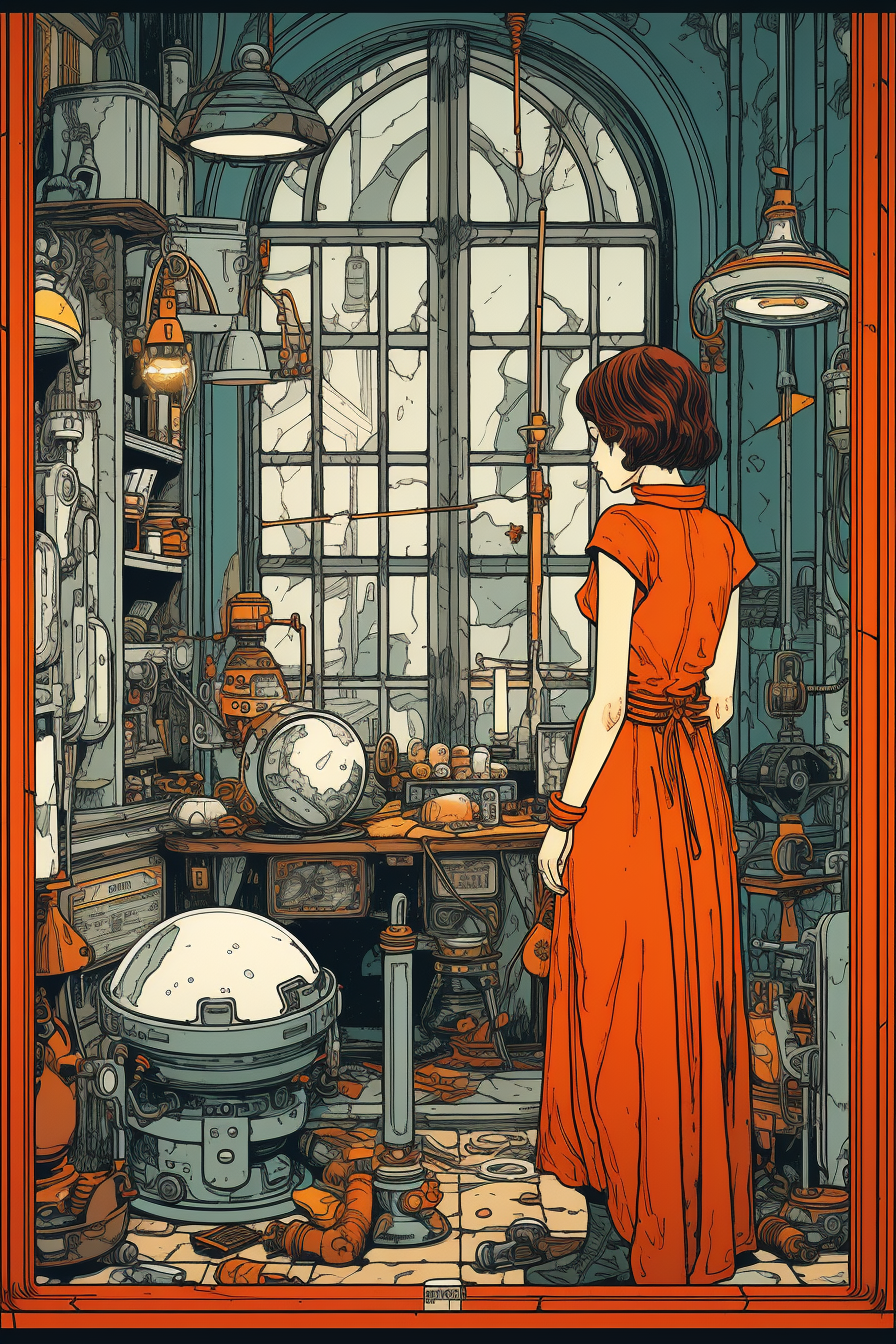
I’m not a starving artist. I have a good sense of my boundaries, after some painful experiences in the past. I said no. If they wanted that to be done just so they could say they weren’t using AI images, then that should have been part of the initial discussion. If they expected an artist’s handwork, then they need to be prepared to pay for the time the artist put into it. When it’s rendered with software, that’s exponentially faster, and cheaper. It was a mismatch, and they can settle for good, fast, and cheap, or they can find another path forward. Particularly as they wanted the image the AI spit out, which really didn’t need much work (I had already done what postwork was necessary), so what was I supposed to do? Trace over layers so that it could be called handwork?
It’s not a huge thing. I shrugged and went on with life. I laughed at the attempted concern trolling elsewhere when someone pointed out that the blog illustrations looked like AI – they are, I said, I don’t have time to do up 4-6 illustrations by hand for every post I make. Time is precious. Coming close to losing my husband last year has made me acutely aware that we have so little of it to squander. I value my time highly, and I’m going to set my pricing accordingly. I’m also not going to drop everything for a job that I don’t have the time for when it threatens to balloon beyond the initially discussed parameters.
I would like any young artists reading this to know that setting boundaries is what will help you grow and succeed. Not pushing yourself into stress and burnout chasing every dollar. If you feel you need to be faster, then find the tools to help you streamline your process, whether that is using AI for sketches, accounting software that will spit out invoices on command, or something like Trello boards for tracking your available time and what time you spent on a given project. Make sure you aren’t paying yourself a pittance of an hourly rate, because that will come back to bite you.
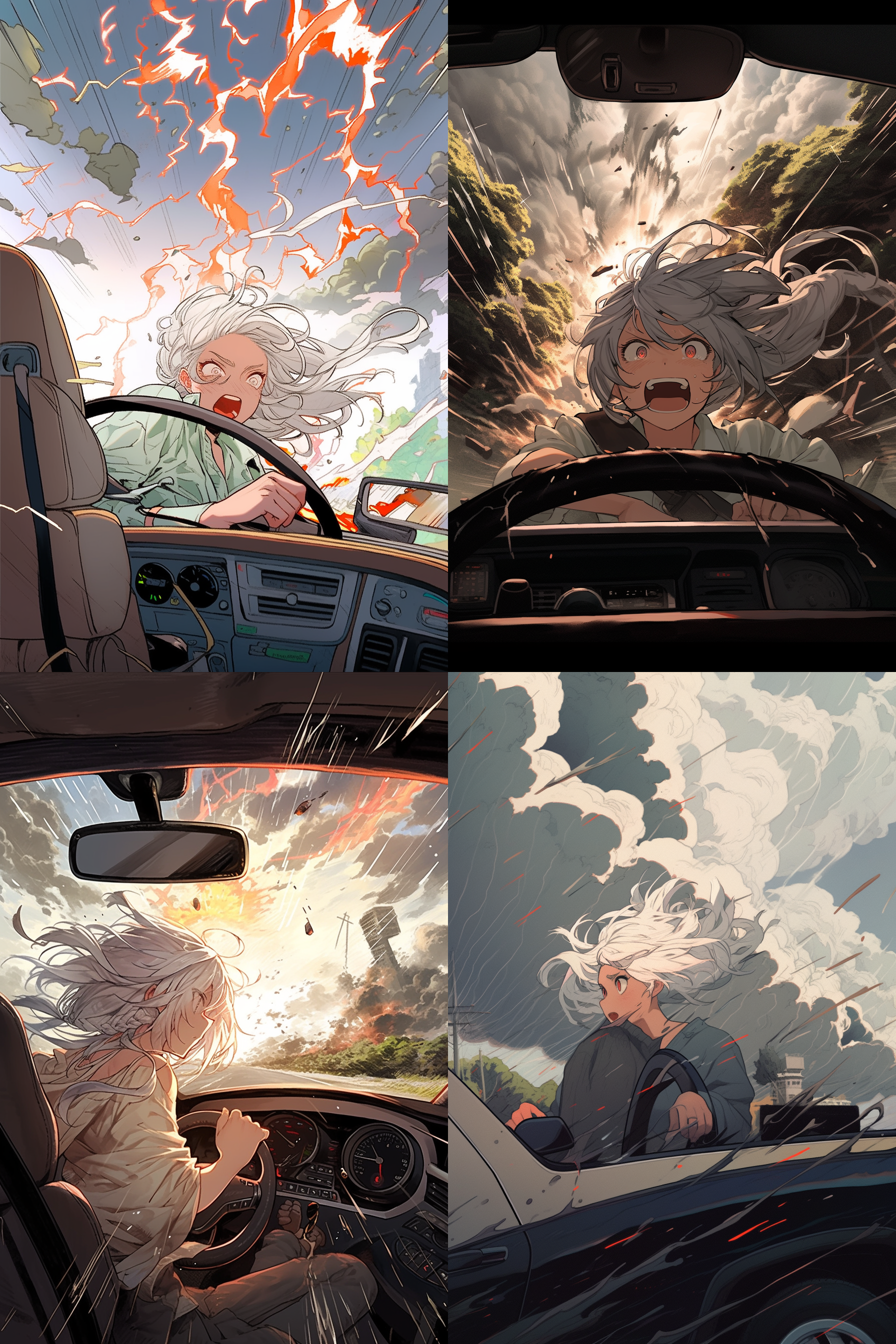
And for artists and authors alike… there are times to render the inner vision in beautiful, precise detail. This is why AI will never replace the human artist. It is becoming much more accurate in rendering anatomy, say, although there are many areas in which it still needs help (and this is why I just laugh when people accuse the software of coping art… if so, then you wouldn’t see some of the ludicrous renditions of, say, people in a vehicle.) What the AI cannot be is precise. You may, with hours of work and months of training (both you and the software model!) be able to get something both precise and accurate out of it. It’s unlikely. The human artist can have a picture in their head and with sufficient training and skill acquisitions, get that out onto the paper, canvas, or screen. Will it be original? Yes. Will it be derivative? Also yes. Ethics boards frown on raising children in utter isolation to try and create an artist who is wholly free of outside influences.
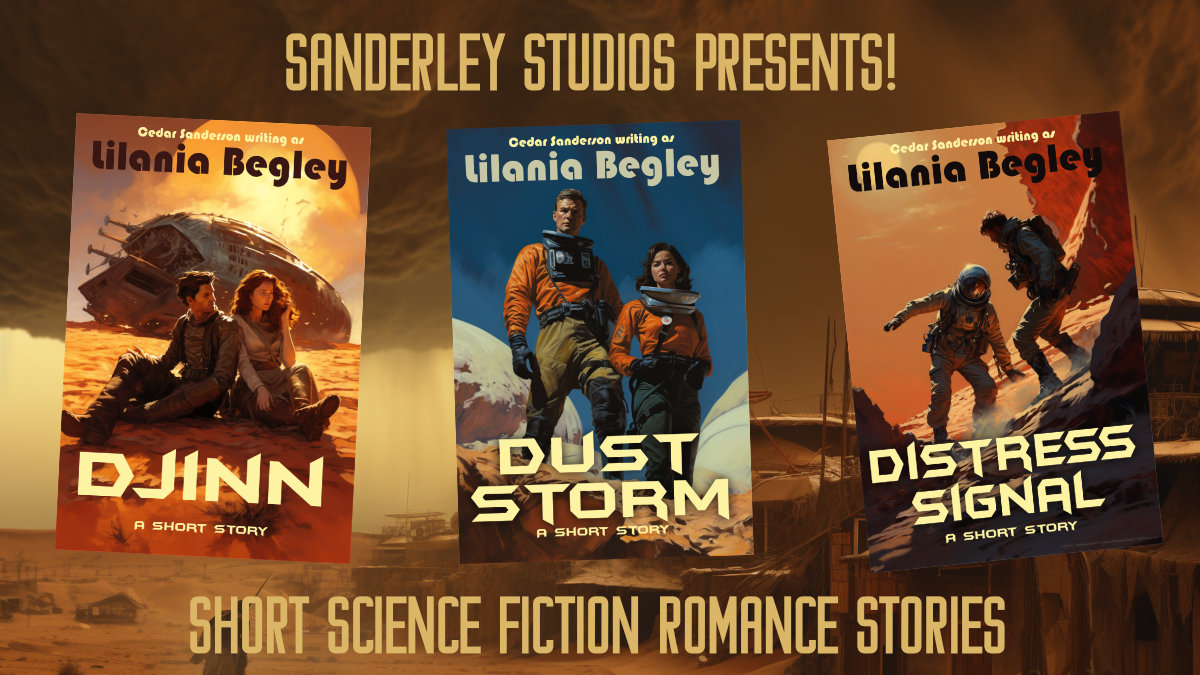
There are also times to consider the ability of the software to buy you time (and time is money, in this business) in helping create great design, which is not, most of the time, a precise rendition of the inner vision. Design is, in many ways, about the vision of the end user. Creating a great book cover is all about design. When I designed the covers for the Sumire trilogy, I had something specific in mind. I knew I’d nailed it when I had a reviewer rhapsodize for a paragraph on the covers, how they had taken them back to their youth reading SciFi, and how the stories lived up to the promise of the cover. I’d managed to create goodwill with my vision, and then backed up that already happy potential reader’s vision of what they expected to read. That’s successful design.
*AI is a misnomer. It’s certainly not intelligent on it’s own, and it’s neither sentient nor sapient. The tools we call AI are just that, software tools that create using Gaussian models – quite literally they are building up images from noise.
 Mad Genius Club
37 responses to “Rendering a Vision”
First off, your work is gorgeous.
Second, AI is an artist’s tool, as much as brushes, acrylics, watercolors, fine pens and so forth are tools. It’s just another medium, is all. Maybe someday clients will realize that.
My motto over in my art group is that no medium is safe from me (I started out sculpting in clay as a small girl) so yes, I hope that will come to pass.
And thank you!
I absolutely love using AI for my blog illustrations. I have the artistic talent of a dead rat, so my choices are (a) find something I can use, or (b) use nothing at all. If I can find a free one that suits on pexels.com or from some other source, I’ll use that – but they’re remarkably short on images of talking crabs, orc bartenders, and the like. AI lets me spin up something that’s good enough for what I want, which is often just “give me something that will attract the eye when I post this link on social media.”
Ai means you can use your imagination, rather than borrowing someone else’s for a bit. It’s a ton of fun just for that!
Good for you for setting boundaries. I can’t believe the client had the nerve to make that kind of request. Wait, yes I can. Regardless, your work is fantastic.
The daughter of a good friend of mine works in advertising/design, and last Easter she got into a bit of a rant about AI illustration while we were at dinner. I get it, she’s concerned about keeping her job… but I pointed out that I interact with several indie writers online who simply cannot afford the time/money for an artist to design book covers. I added that the cost of such design could well be more than what the writer made from the book; I also mentioned that some who write and publish have developed a good sideline in AI design for this reason (yes, I was thinking of you). She didn’t want to hear it, so I dropped the subject. I think it’s going to be a hot button for a while among artists and designers.
They are afraid. Art has always been difficult to make money doing. I get the fear, but it’s short-sighted and usually based in ignorance, whether willful or from lack of ability to do research.
However, you can expect a whole lot of rent-seeking involving payments to artists for including their images in the AI’s images database.
And then there’s this.
https://notthebee.com/article/creatives-fight-back-with-nightshade-a-new-software-that-poisons-ai-models
Which isn’t going to work like they think it is, and can possibly be used as malware.
“The final sketches I sent included one they really, really liked. They asked for small personalization touches. I could do that. Then, they wanted me to make major changes to the image, by hand, and show them all of the work done so they could say that the final work hadn’t been done by AI. Can I get this done in less than 24 hours, at the same rate you quoted for AI generated art?”
“It’s just a little change. And if you won’t make it, your software doesn’t meet our vague requirements so we won’t pay you.” Been there, done that, got enough T-shirts to stock a con dealer room.
I think every field that even remotely involves creativity gets some version of this one.
Here’s my stupid question. What is it that distinguishes an artist and a designer? I know it’s a true distinction but I don’t understand why.
As I understand it, design is about the context in which art is used, like the difference between the commercial artist who paints the picture or takes the photograph, the copywriter who comes up with the ad copy, and the design person (unsure of exact title) is in charge of combining the two into an ad, by deciding on fonts, layout, etc.
In some senses, art is the inner vision of the artist, while design is the external motivation of creating something useful with that art. An artist can create art. A designer may not be able to create art to save their life, but they can take the art and transform it into the intended purpose, be that a book cover, an ad, or a garden layout that is welcoming and walkable. There’s a cool podcast called 99 Percent – that’s the amount of design all around us we don’t perceive consciously.
Thanks to both of you for your answers. I’m going to look at that podcast. I guess I still have a question if it’s not too much trouble. Why is your/some art not suitable for a book cover? A different way to ask the question might be, is there a book your art (not your design) would be suitable for?
My art is on the cover of a few books. One October Night (which also has 31 of my illustrations in it), the Lawdog Children’s books, and my own coloring books. My preferred style derives from sumi-e, and it is very minimalist ink work, sometimes with watercolors as well.
Many years ago, an user asked the Data Processing staff for a major change to a report “right now”. One of his comments was “It can’t be that hard, You just push a few buttons”.
It sounds like some people think AI art works the same way. 😦
Ten thousand dollars? For one hammer blow?
Yup. Ten dollars for the hammer. The rest is for knowing where to hit it.
Old saw about a client and a repair tech.
Users are like people who hire landscape designers who bring in backhoes and move dirt around to form banks and hollows, add retaining walls, build a pool and a stone path, set up flower gardens and plant them, plant shrubs and trees, and add a statue in the middle, and then come back and say it’s great just move everything three inches north.
I use Bing Image Creator for my blog posts and just for fun sometimes. Bing in chat used to work well, but then they improved it.
Sometimes I get what I want on the first try, sometimes I settle for something on the 15th render (when it puts a slowdown on you). More often it’s somewhere in between.
Changing styles helps too. Frequently I find that putting it in watercolor or colored illustration gives me just what I’m looking for. Anime as well, though it makes my characters far too young.
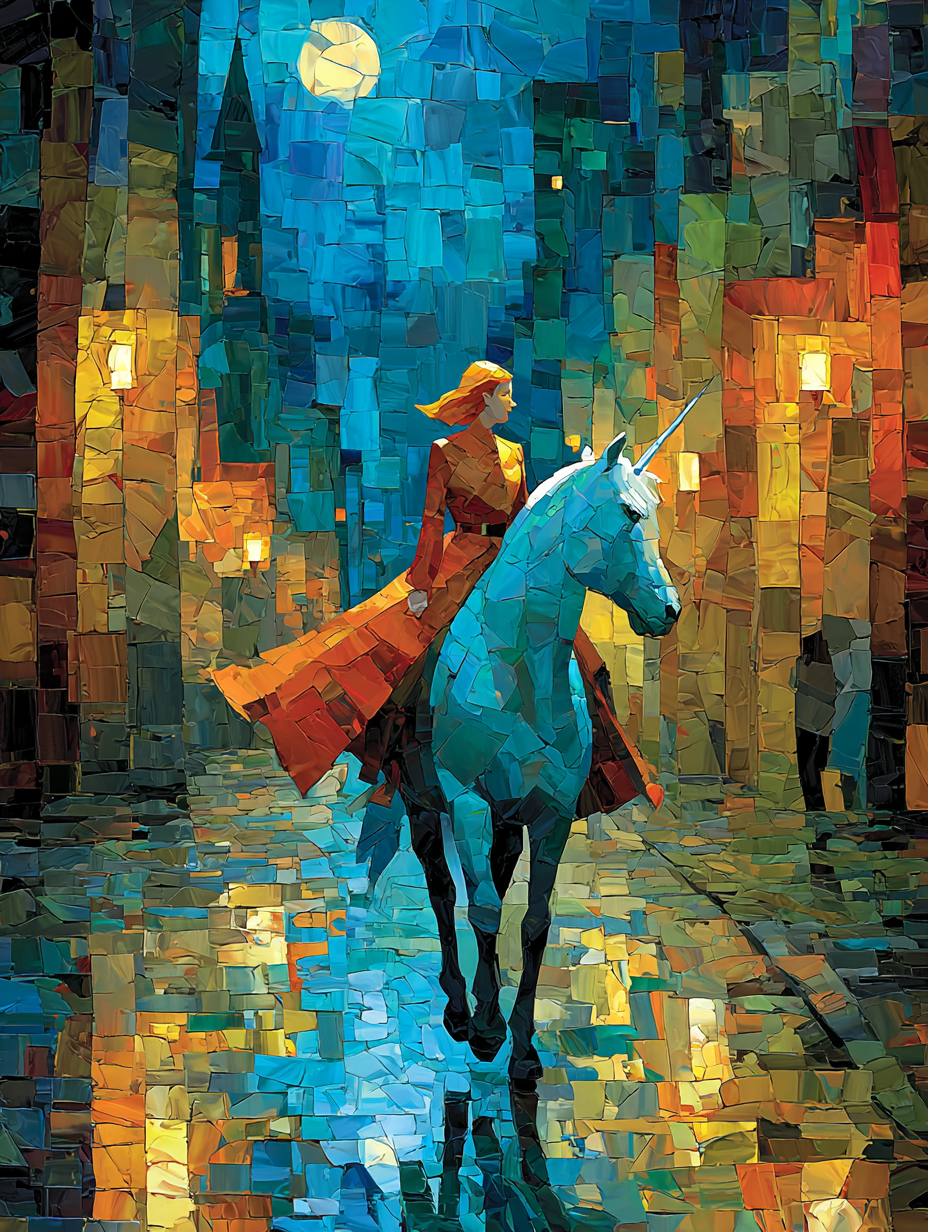
And if I’m feeling silly, I put something in stained glass. I get some gorgeous images that way.
“Ethics boards frown on raising children in utter isolation to try and create an artist who is wholly free of outside influences.” Had a good chuckle over this one!
I’ve taken to referring to them as Large Language Models. Fundamentally they’re pattern matching systems.
It’s going to be very interesting to see how they impact things over time.
For the art it’s a Large Learning Model, but yes.
Ooooh, must try that!
Cedar, is there guidance on who owns an AI generated image? If I get the Bing generator to make one, is it mine?
Read the Terms of Service: it’s all in there. (I don’t know what the copyright is off the top of my head for Bing, but I know it’ll be there.)
Bing can be used for social media, not for anything commercial.
Yes, look carefully at the TOS. The reason I pay for MidJourney is the copyright is mine. Also, it is the best ai Art tool right now. Not everyone wants or needs pro-level, and there are decent free generating programs. But with any app, read the TOS!
Thanks everybody! I am trying to chip away the noob from my brain.
I can’t understand people who want quality work for free.
Or rather, I can. Think of garment construction. I sew. I know what goes into a well-constructed and carefully matched fabric shirt.
But a typical person these days has ZERO idea of what sewing entails, how much work is involved, the wasted fabric from pattern matching, how much fabric costs, and anyway, every thrift shop is stacked to the ceiling with clothes so why should I pay you a fair wage for your time?
Similarly, isn’t art easy and simple and anyway, you’re getting paid to do what you love so you should be working for exposure bucks?
Aargh.
I do love what you do with AI. I loved the imagery you were posting on Instagram.
Of course they want quality work for free. They want it NOW!!! too. They are unserious time-wasting fools. Very common.
I used to be a house painter. People used to ask me if I’d paint their house. I’d say yes, for $10K I’d paint their house. There are two responses to that question. The most common one is “So expensive! For that money I’ll paint it myself.” The other one is “That’s not the highest quote I’ve had, we should talk.”
That’s your first cut at separating the unserious time-wasting fool from the guy who might really pay you to paint his house.
This was my favorite part here: “…they wanted me to make major changes to the image, by hand, and show them all of the work done so they could say that the final work hadn’t been done by AI. Can I get this done in less than 24 hours, at the same rate you quoted for AI generated art?”
I’ve seen that before. “Can’t you just change the colour?” People ask that after you made them sign off on the contract, and pay for the material first, and approve the colour -in writing-, and this is at the end of the job, when they’re supposed to pay the last third of the money owed. Because they don’t like the colour THEY picked and approved, but they don’t feel they should have to pay for another coat at the original quoted price. They should get it for free. “Oh, and you better be finished by tomorrow, because my daughter is getting married.”
This is why you make people pay for the materials first, and get your labor money in three installments. 1/3 when the job starts, 1/3 when the job is half done, and 1/3 on completion. That way you don’t get stuck with ugly paint and no money for your work when they try to stiff you at the end.
I can only imagine the -ridiculous- conversations cover artists hear. At least with house painting, you’re at their damn house so you know where they live.
It’s a great advantage to know where your client lives when they stiff you on the bill!
An acquaintance bought a house in a new development, one of the very first houses there and located next to the model home. The roof began leaking due to poor installation. He complained, the builder did nothing, and then he installed a blue tarp over his roof.
The reroofing job was done the next day and done correctly, too.
Unfortunately, you don’t have that kind of leverage with cover art or house painting.
How slack is it that the house next to the model home leaks? Guys just don’t care, do they?
1) The AI generated art is A) really good and really fun, and B) a lot better than no art.
2) For a laugh I googled the concern troll and that one has zero room to talk about art, let’s just say.
3) I would very much love to pay an artist $500 bucks for a really nice book cover. I would even be willing to pay $250 for a mediocre tired and kinda washed-out book cover. The reason I don’t is very simple. My books are not going to earn-out that expenditure, and I am not going to pay money for publishing my work. Working for free is bad enough, but paying to work? No. Not doing it.
4) That’s why I will be using AI-generated cover illustrations modified by filters and Photoshop. Because it doesn’t cost me any money, and because I can’t draw.
That established artists find this appalling or irritating or whatever is really not my problem. It is a tool, and one that I can afford. When you have to cut down a tree, you reach for the chainsaw and to h3ll with the purists who tell you the axe is better.
I sure wish I could figure out midjourney. I do not speak it at all. But anyway the cover to Dust Storm is 100 proof old school science fiction cover at its finest. And the others are also awesome but I think I have a thing for blue.
With Midjourney, Stable Diffusion, DALL-E and their cousins, the main thing is to talk to them like you’re talking to google/the less-evil search engine of your choice for an image search.
And remember that each one has its — quirks. For instance, Night Cafe finds crossroads much harder than Bing Image does.
Then Jolie, check out:
https://playgroundai.com/feed
It’s like a massive library of AI images. If you can’t master it, there’s a good chance someone who has might have tried to do what you’re looking for.