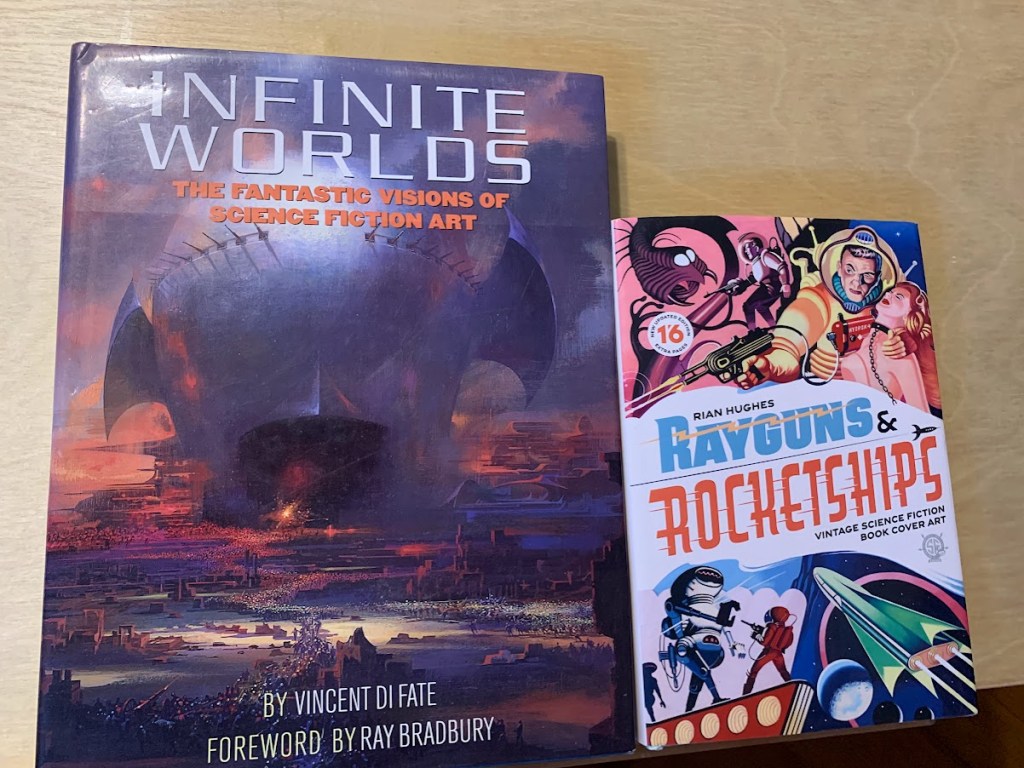
I bought this book a year or two back, and I find that I dip into it occasionally, for fun and for research. I was a bit disappointed when I received it, so it took me a long time to consider doing a review. I was disappointed in one major thing: it’s thick, but not big. If that makes sense. For the price and the concept, I was expecting coffee table art book size, and what I got is a hardcover, yes, but trade paperback sized which means the art…
I’m getting ahead of myself. Rayguns & Rocketships by Rian Hughes is a lovingly curated collection of British Science Fiction art, specifically pulp covers. You see why I bought it!
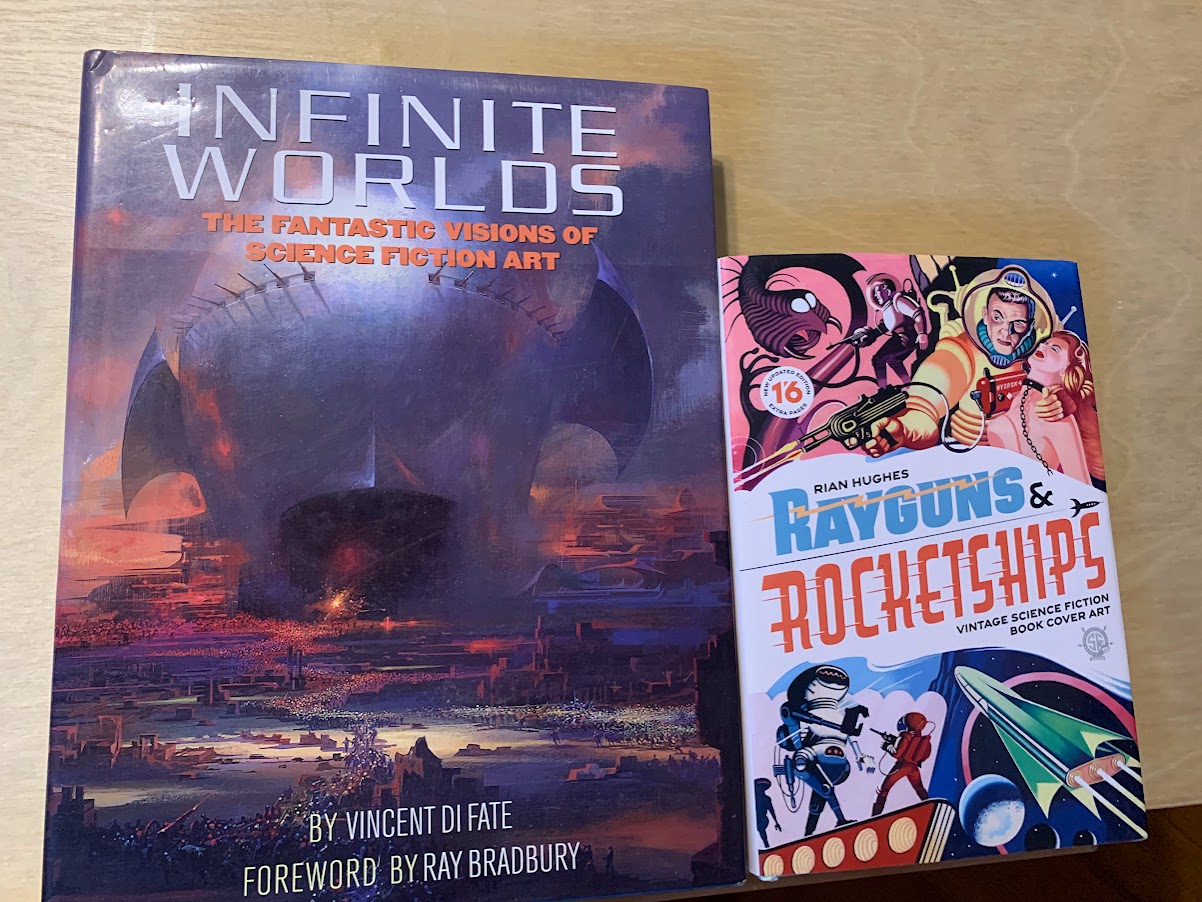
Despite my disappointment over size, this book really is packed with artwork, and as a study for the kinds of pulp covers I find myself doing, it is a rich resource. For one thing, although there are certainly strong parallels, the British covers differed from their American cousins in many ways.
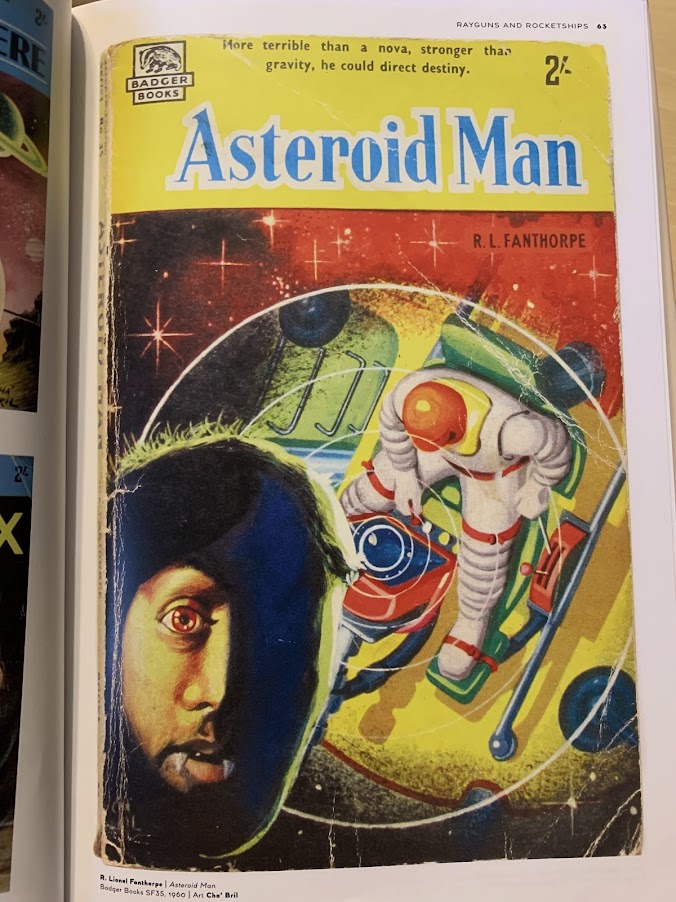
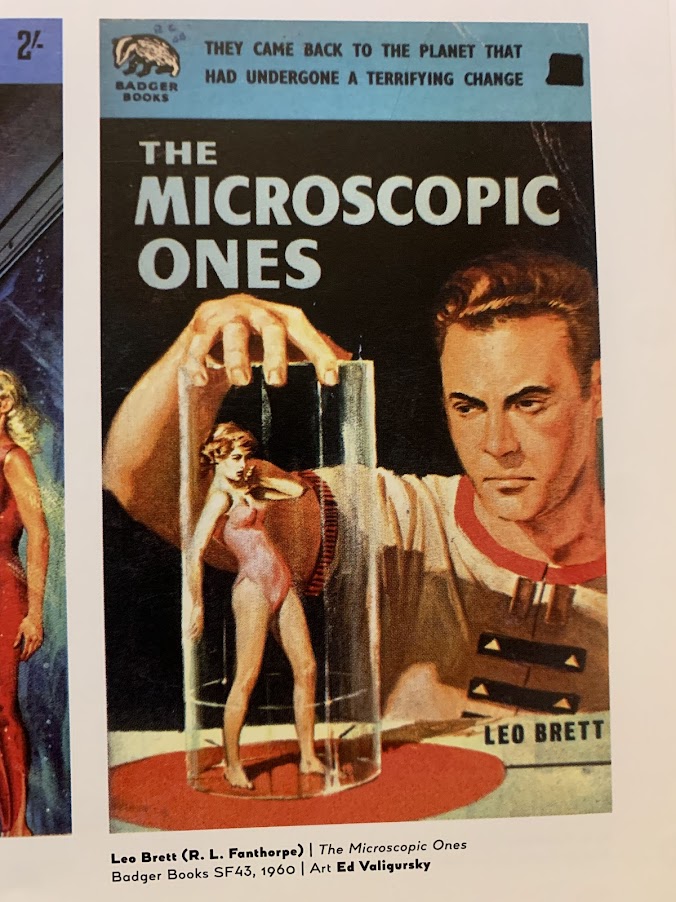
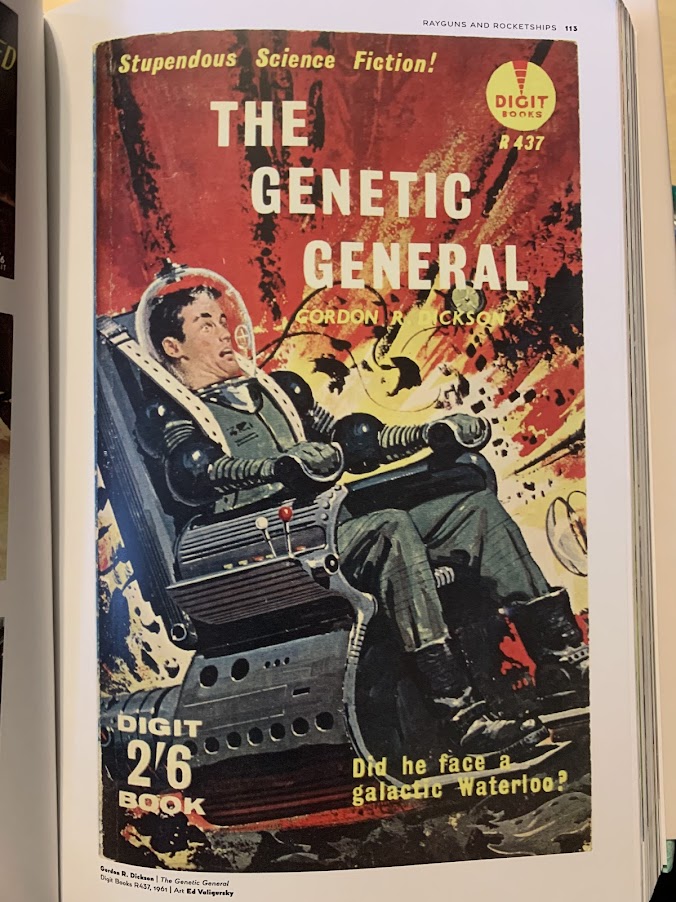
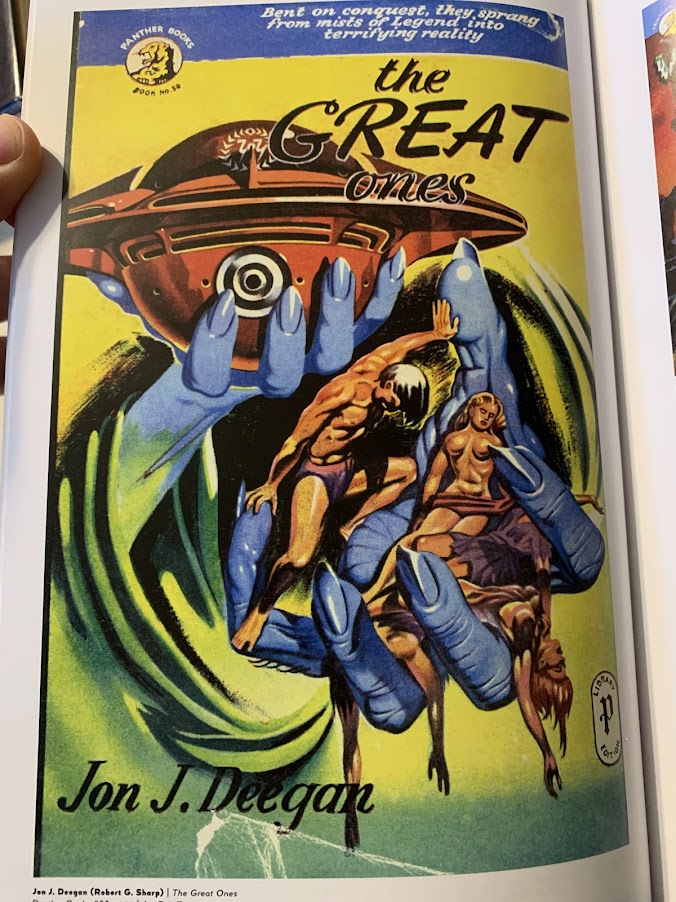
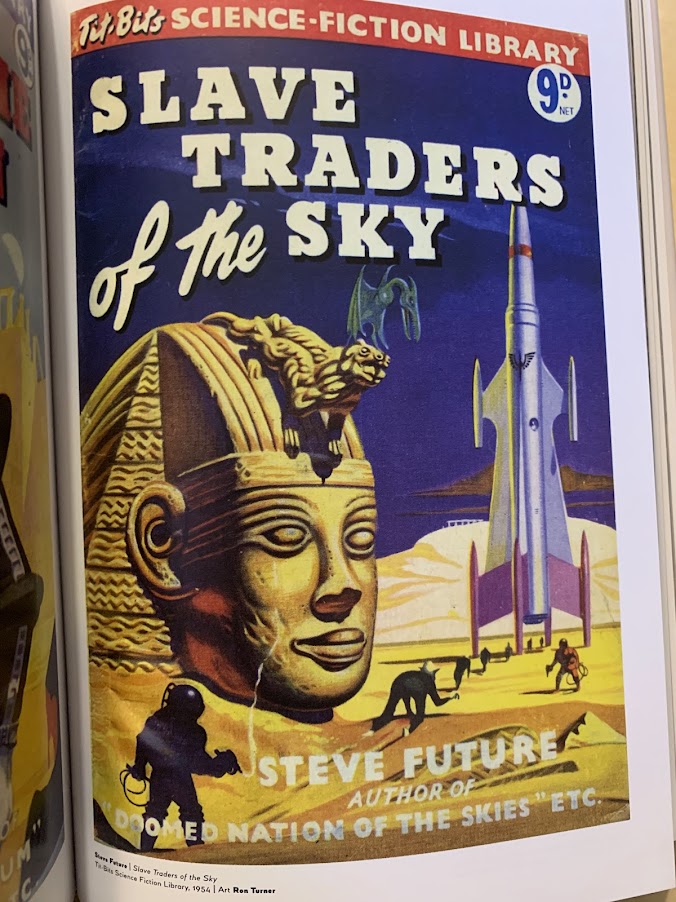
Up to and including the ridiculous plot elements as depicted on the covers. No, I’m not talking about the ones you just scrolled past…
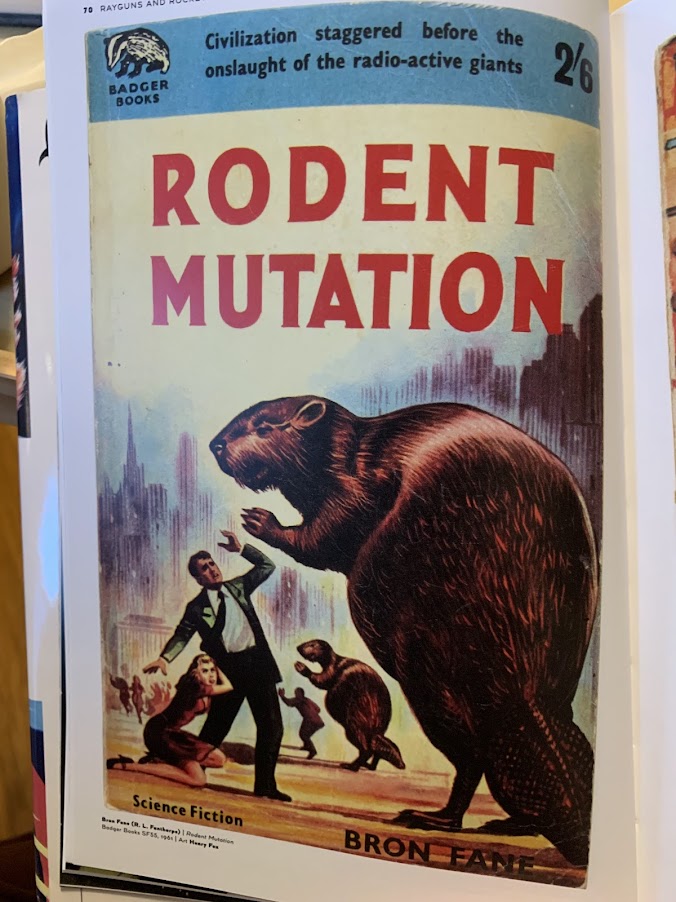
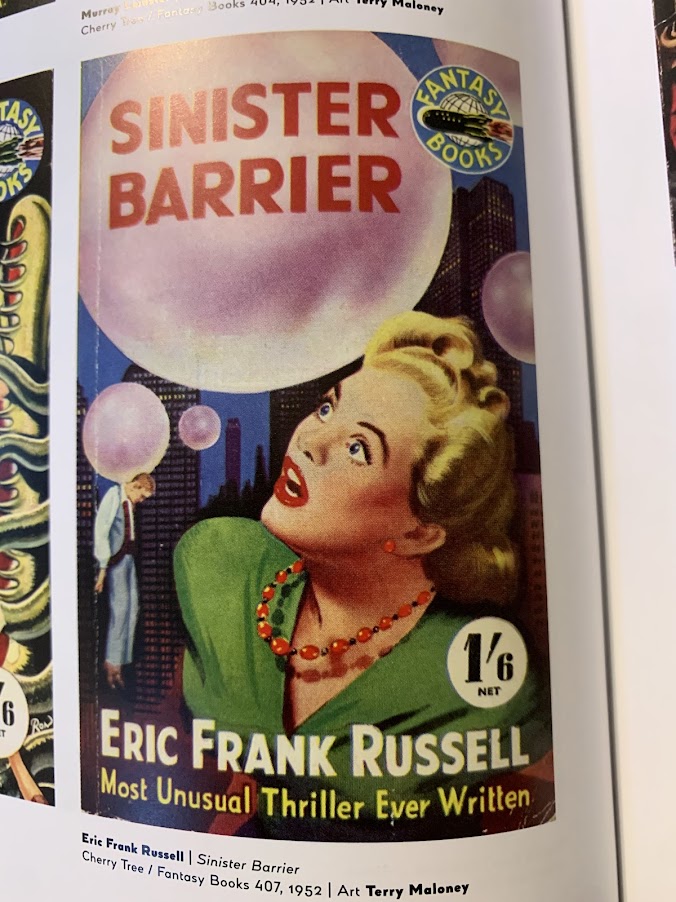
The book is a lot of fun just to open at random and see what you get. Might work as an art prompt that way, or even better, a writing prompt. See, some of the covers were drawn from the title. The same title that was handed to an author who was told something like this on a given Friday, ‘write me 4000 words on this, make it a thriller! due on Tuesday.’ The cover artist and the author likely never even spoke to one another. This led, as I’m sure you can imagine, to some amusing mismatches.
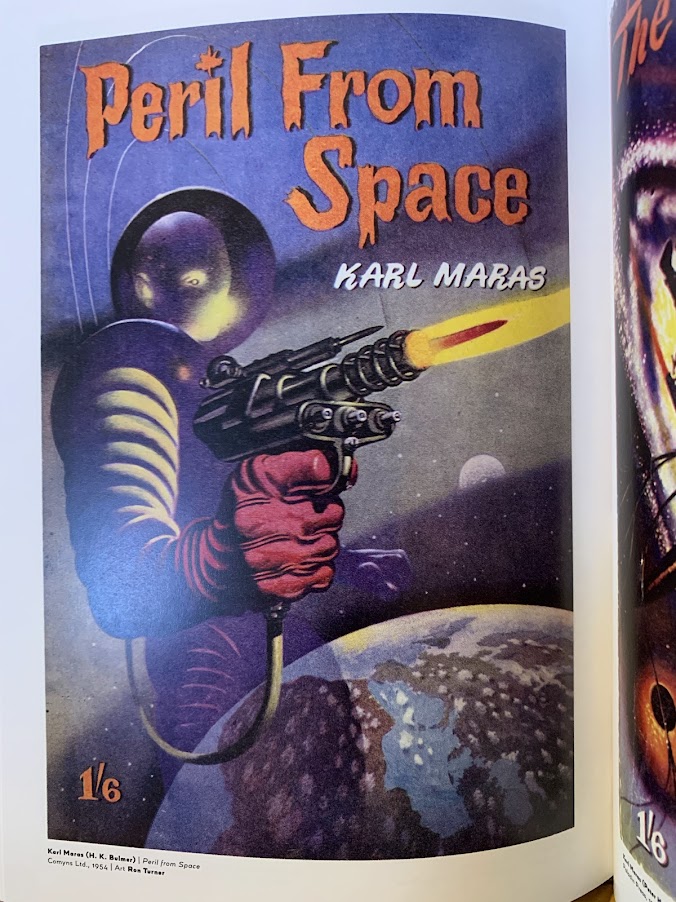
Readers didn’t necessarily care. The cover art told them this was the kind of story they wanted to read. Sheer whimsical escapism. Action, adventures, weird things far from their daily humdrum.
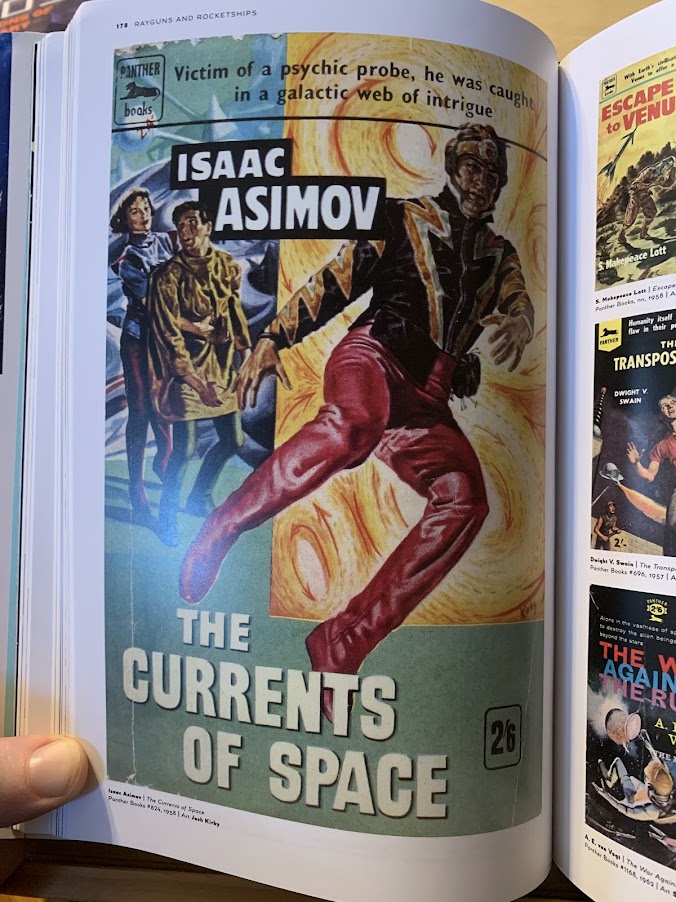
I think you can kind of tell when the story was doing something that the author hoped would be literary. I still think the red boots/pants onesie was a fashion faux pas.
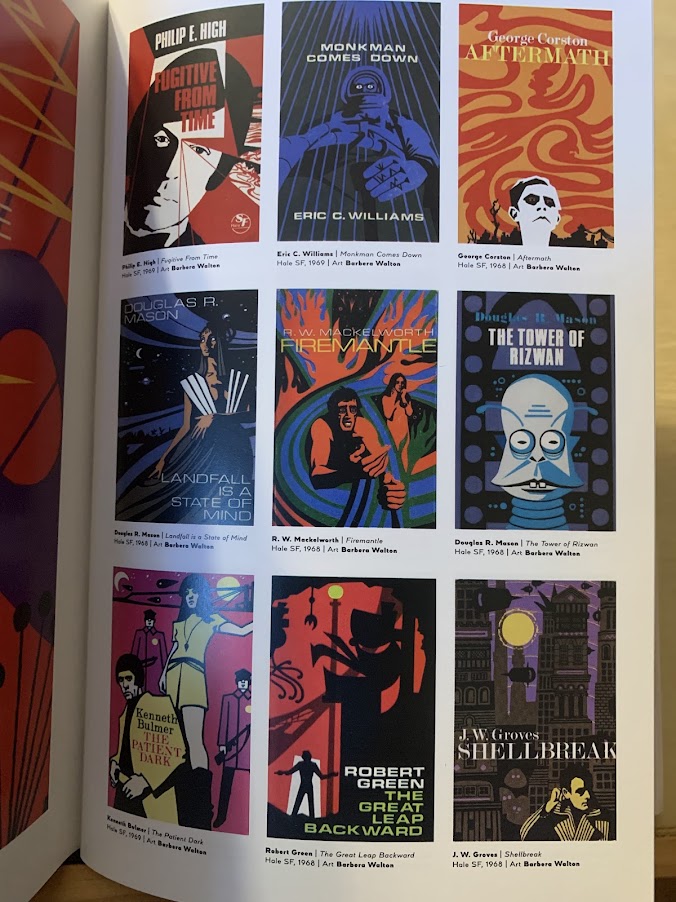
I’ve been sharing full-page images, but the majority of the book is thumbnails. The author clearly wanted to pack as many exemplars into the space he had. I wasn’t too sure about this at first, I like being able to see the details, but on second thought I realized since I have to design for thumbnail it worked for my purposes. Most readers will see a book on Amazon or other retailer site and the cover will be the size of their thumbnail, which is a challenge for cover artists to sell the book so a reader will tap on it to embiggen and pull up the blurb.
Would I recommend this book? If you can get it through your library, absolutely. I wouldn’t say it’s worth the $50 retail price, unless you are seriously studying a certain era of SF art. On the other hand, the Vincent DiFate book Infinite Worlds, which I bought based on Ben Yalow’s recommendation, is wonderful and I do recommend that even if you aren’t designing your own covers. There is so much art in there worth resting your eyes on, while your brain whirrs into motion building a story from the image.



 Mad Genius Club
16 responses to “Review: Rayguns & Rocketships”
Back in the day, I learned a lot about covers and the history of cover art from the blog “Good Show Sir!” It was pure opinion, but some of the critiques of anatomy, cover/subject mismatch (the cover says fantasy but the book was hard sci-fi), font failures, and so on were useful. And of course the infamous sheep (used to cover bits that can’t be on US covers or don’t pass work-safe filters).
It was also my introduction to national styles. The French 1960s-70s covers … daaaaang. Baaaad trip, duuuuude!
Oh my word yes. The French are so very, uh… French. LOL
I’ve run across a few blogs or feeds which specialized in retro cover art, I missed that one and am a bit sorry, it sounds very useful. One good thing about buying books, I have them at my fingertips no matter the state of the internet. *glances over at art bookshelf* It’s not a hoard if it’s books.
I actually have a number of those paperbacks. I guess that says something about my taste in reading 🙂
A lot of them look like fun! Others are definitely making me curious but not because I think they’ll be good LOL
Wow. Just wow. I love collections of cover art like this.
Have you seen Paperbacks from Hell? It’s all horror covers from the same period.
Great stuff!
I haven’t! I don’t read horror, so it hadn’t come across my path. But the covers can be really cool on some horror.
Paperbacks from Hell is a terrific inspiration for covers. It’s well worth an interlibrary loan request.
Wait till you see the two covers for John Christopher’s book The Little People! The hardback is quite tasteful but the paperback goes all out.
The entire book is full of amazing covers.
I’ve read Paperbacks from Hell, and while I had to eyeroll at a few of the author’s comments it’s a great book. And the cover art it has is amazing.
Especially John Christopher’s The Little People! Nazi BDSM leprechauns, complete with the classic leprechaun outfits and swastika armbands – ye gods!
Boy Howdy was that a book and a cover!
I’m a little surprised no Vargo Statten covers made it to the post. But that’s a whole different rabbit hole to go down.
Next time you’re over I should show you this book. There’s a LOT in there, and I didn’t want to swamp the post!
Vargo Statten was a pen name for John Russell Fearn, who was British but began in the American pulps. In the 1950s, he not only cranked out a bunch of short novels for the British pulps under the Statten name (and others), he also lent the name to a pulp that ran for a while, Vargo Statten Science Fiction Magazine.
So, uh, yeah, just try to stop me from poring over that book. 😀
For a while I had a project looking at the covers of Erle Stanley Gardner books on eBay. It was fascinating to see how the covers changed between decades (many of the 1950’s covers are amazing, the 1970’s tend to be lame photographs) and between countries (mostly US, some UK, a few Italian, etc)
Leo Brett was one of Lionel Fanthorpe’s many pen names (his writing style is unmistakable). And the cover was by the well known American pulp artist, Ed Valigursky. And the Genetic General cover was also used for the first US publication, on an Ace Double, and also by Ed Valigursky {most later publication of the book use a different title, Dorsai!, which is how most people know it.
Thank you Ben!
Sinister Barrier – Is that where the idea for Rover in The Prisoner comes from?