
Nothing’s pure any more, and Genre is mostly a best guess at where a book would be shelved in a bookstore. It’s mainly important to let a potential reader know if this is the “sort” of book the reader enjoys.
Romance, Mystery, Fantasy, Science Fiction, Western, YA, Christian, Thriller, Historical . . . Lots and lots of categories, and they aren’t pure, not a bit.
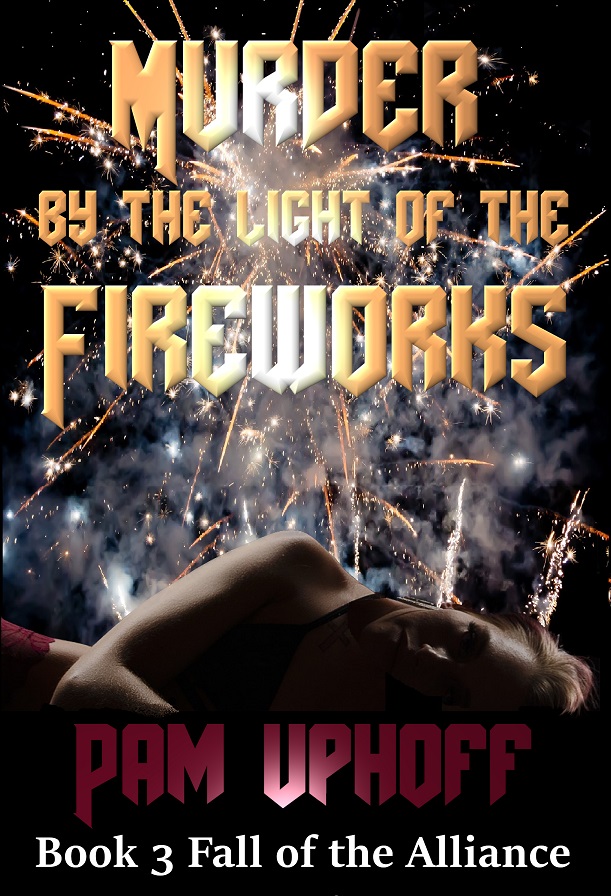
I write Science Fiction, with some Fantasy Elements (Handwaved tech to keep it SF), with some Romance. And sometimes, Spies . . . other times, Mysteries.
Adventures, invasions, horses, and dinosaurs.
So, why do I say I write Science Fiction?
Because of the setting. Just like a Historical, or a Western, for that matter, where the story happens and what sort of stuff is available to play with is what makes it SF.
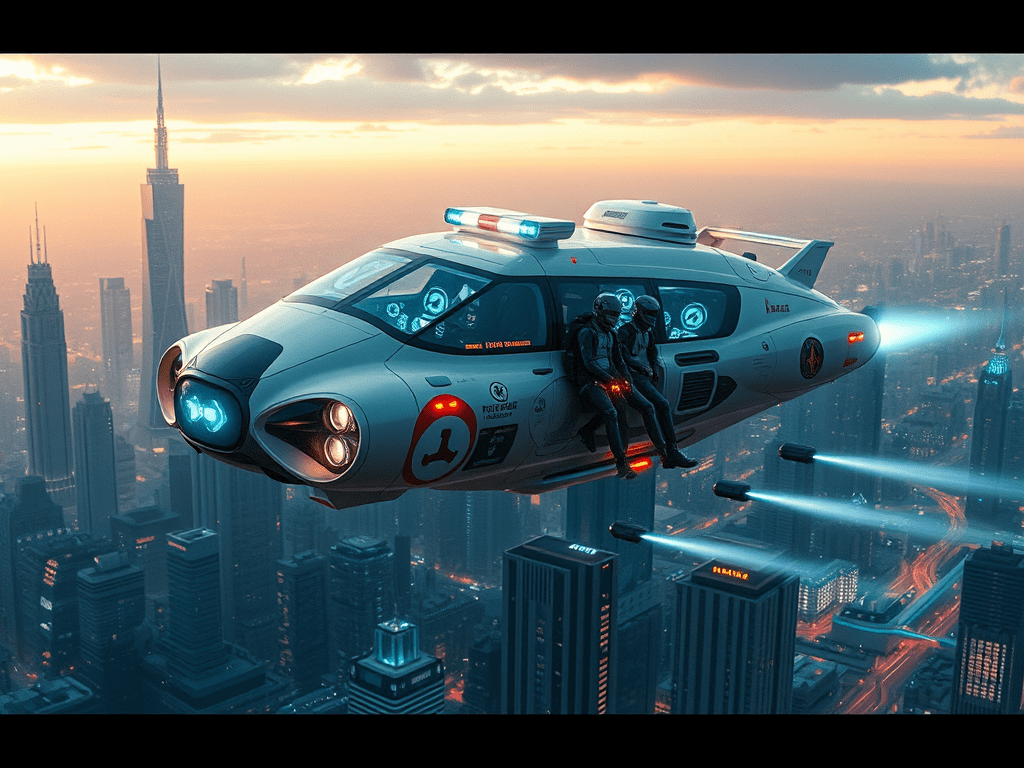
Westerns have horses, SF has space ships Dimensional portals, or time machines.
Fantasies have magic, SF has tech, sometime indistinguishable from magic, but you throw in “illegal genetic engineering in the 22th century . . .and Telepathy and Levitation” and you’re safely back in Science Fiction.
Historicals have castles, SF has space stations.
Whatever. SF is a story that happens in a SF setting. The actual story being told could be anything.
I get a lot of Mystery in my SF. But because the Cops are investigating a murder on a parallel Earth centuries in the future, it’s going to get shelved in SF/F section, and pretty good thing, because hard-core mystery aficionados are not going to appreciate Cyborg Cops and Telepathic Detectives.
Maybe.
A lot of people (waves hand) read in both genres. But most mystery readers won’t appreciate a mystery wherein the social and legal status of both the perp and victim and their relationship will determine just what the crime is, and if, in their culture, a crime was even committed.
SF can explore that, but a reader expecting a more standard Mystery may fling the book across the room. (Don’t! Please! That’s your kindle, not a paperback!)
I think I love SF because you can do so much with it.
Melding old and new cooking equipment and food sources . . . cooking for an archeological expedition on a world devastated by Solar Flares? No problem. Inhabited by poisonous spiders the size of Labradors? No Problem. Mutated rats the size of small elephants? Definitely a problem!
Throw in a romance, rescuing some elvish looking children, dimensional portal collapse . . . Good thing the Hero’s Girl Friend can not only kick *, she can use Mental Talents to heal the wounded afterwards!
I love Science Fiction. Sky’s not the limit.
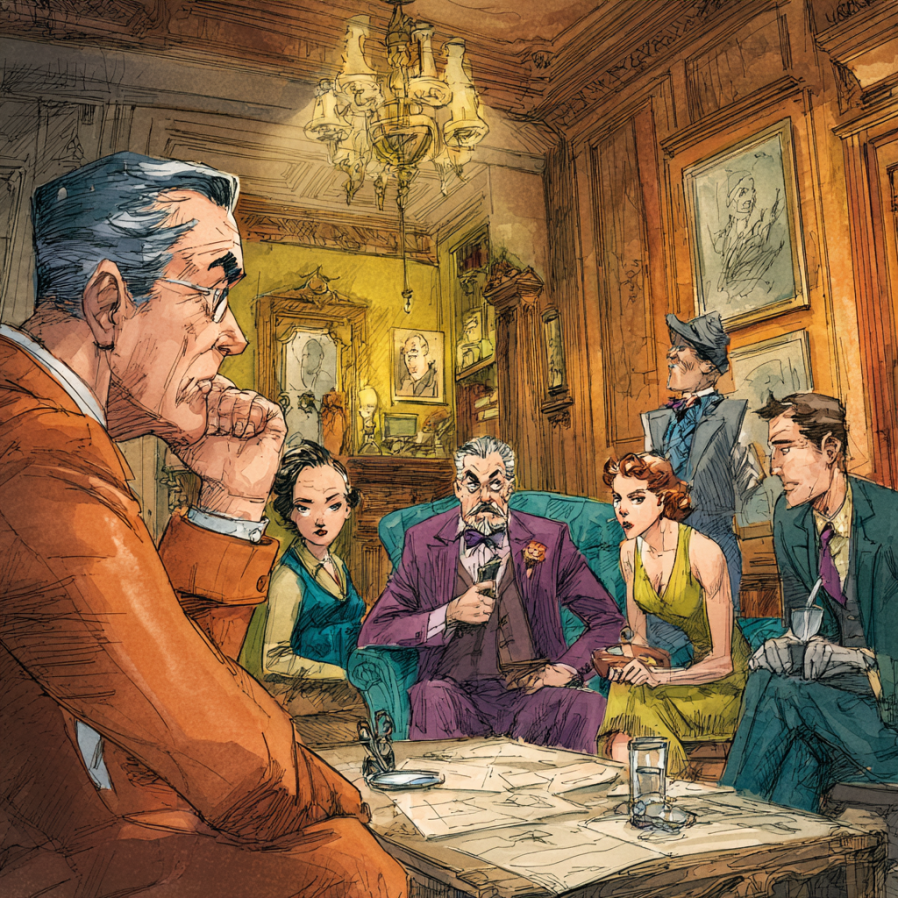
BUT! When you mix in some things, you have to remember the readers’ expectations. A murder? Someone will investigate it. Cop? Sweet little old lady (nosy) neighbor? You can give them fancy equipment, but they still have to act like detectives, investigate, talk to people, arrest someone . . . discover who dunnit.
Time travel to a historical period? The visitors have to try to fit in, and the society they’ve been dropped into (on purpose or accidentally) needs to be historically accurate.
If the Romance isn’t the main focus of the story, you can get away without a HEA, but really the reader will be much more satisfied with some sort of resolution to the relationship.
YA? The main character(s) need to be young, I think the usual recommendation is a year or two older than the target audience, but I don’t really worry about who might read it, not going to target a small age bracket. I don’t want to limit myself to reading stories with a main character like me (Boring! 71 year-old fat lady, spends most of her time in her home office writing and cussing her bad knees. Not going to be able to figure out how she could deal with a T-Rex attack! Other than, maybe . . . T-Rex choked to death on her fat . . . uh, never mind.)
Anyhow, when you write, or have written, it’s useful if you can identify the _main_ genre, and if there was strong competition for a different Genre, market it to the main category, but also market it to readers of the subgenre, with clear mention of the main category.
“Love a good Mystery? How about a Murder on a parallel World where telepathy is possible, and the Telepathic Detective has a Cyborg sidekick?”

 Mad Genius Club
15 responses to “A Mystery Inside . . . A Science Fiction Story?”
J D Robb’s “in Death” series is shelved in either Adult Fiction, Mystery, or Crime Fiction in libraries. Yet it should qualify as science fiction. Because it’s a police procedural series set in New York City? Well, yeah, but it takes place in 2058-2064 or so. That seems science fictiony to me, but that’s not how its treated.
It’s a good read and (for me) a guilty pleasure. It’s also as much of a classic romance story than a police procedural so it really defies classification.
Or Cyberpunk, which is usually futuretech not necessarily in Space.
There was once the idea that a story had to contain an idea/aspect that couldn’t exist in a non-science fiction world to be considered Science Fiction.
Most of the Eve Dallas stories could be set in “today’s world”. There are only a few stories that contain a major element that could only exist in a Science Fiction World.
That doesn’t mean that it can’t be enjoyed as they are and yes I find them good reads.
Mind you, the author deliberately wrote then in a Future New York City. She didn’t want to write a Current Day Police Procedural because she knew that she’d get things wrong.
It’s been probably ten years since I read any of them, but it seemed like the most important SF element was some of the hacker/computer stuff from the boyfriend (later husband) and his associates, and probably those are present day by now.
Kind of like those “AI as Miss Marple” things Donna Andrews was writing for a while. They’d probably sell much better now.
One thing that I remember was a VR program (similar to ST Holodeck) where people died Real Deaths.
But yes, Roarke’s “Hacking Abilities” are close to reality.
Still, I like the stories.
I’m a big fan of the In Death series, too. Guilty pleasure.
It’s the main Mystery series that I preorder.
Lord Darcy was created because Randall Garrett heard once too often that you could have a mystery story set in a world where magic existed.
And he did a good job of it.
I heard that he was too annoyed by an SF mystery and thought they might as well use magic.
R. Daneel Olivaw was created because Asimov wanted to write a mystery, HL Gold said it needed to be SF, so “have the detective at risk of losing his job to a robot if he doesn’t solve it”
A mystery reader, confronted with a large mass of sudden detail, is going to go—subconsciously, at least—”Aha! somewhere in all of this the writer has planted a Clue!”, and look for that; a reader trained exclusively in mainstream literary fiction is likely to say, “Aha! all this emphasis must point to something of Thematic Importance!”, but an experienced reader of science fiction is going to assume that he or she is meant to take all of those details and out of them construct a world.
Which is why the writer of a science-fiction mystery with literary ambitions is trying to do a quadruple somersault off the trapeze without a net.”
― Debra Doyle
Eh. “Crime does not pay and justice ought to prevail” is a perfectly fine theme, built into most traditional mysteries. Even a reader of lit-fic should be able to figure that one out, and the nit-picky SF reader who likes to notice inconsistencies in world-building is well-equipped to pick up on anything of that kind meant as a clue. So, Ms. Doyle was perhaps being funny rather than profound here.
That means it’s not a proper Literary theme.
And the SF world-building conflicts with the clue-finding because the clues are anomalies, and you don’t know what is anomalous.
I will read any and all stories you might come up with later for our guys on Rigel. They’re in my list of comfort reads!
Yev’s son Arkady really should visit. I just haven’t got a story (yet!) to go with that idea.