
Or, what do you do with the place where characters do what they do when they’re doing?
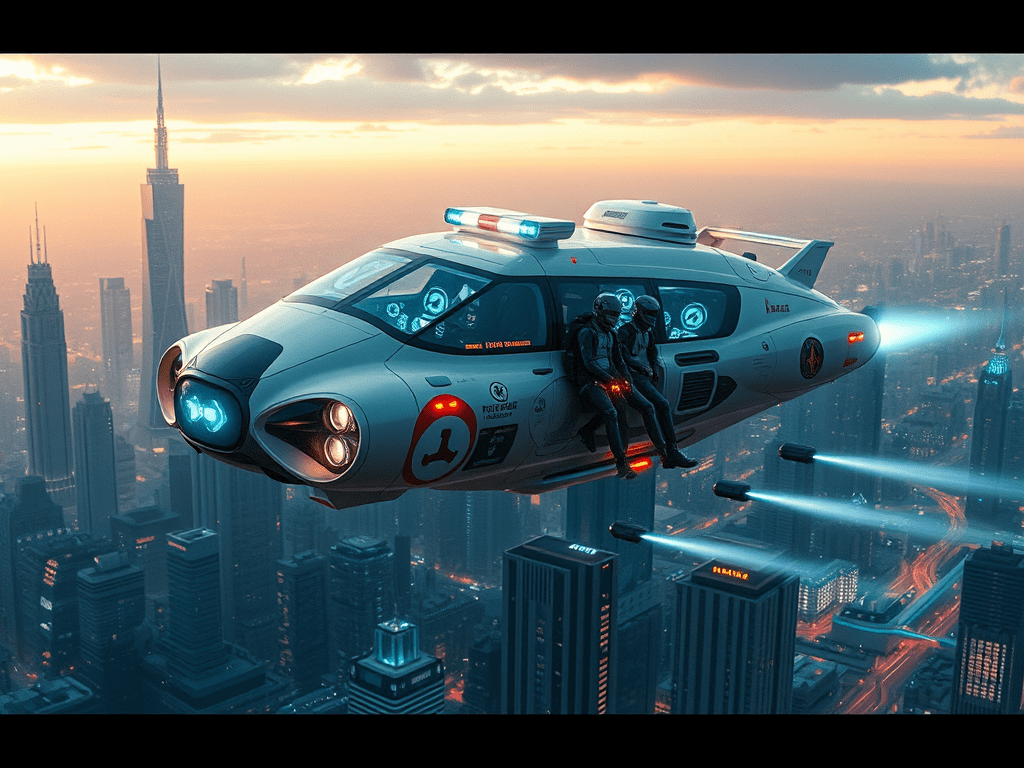
In milieu stories, setting determines the story. The place is a character of sorts, as well as driving the action and forcing other characters to respond to it. Dune is a milieu novel, as is The Sea of Grass (western) and The Time it Never Rained. There is some question about Lord of the Rings, because some critics see it as a milieu story, with Middle Earth itself as a character, and others argue that while Tolkien put a lot of detail into the setting, it is not actually a character or plot driver the way the One Ring is. YMMV.
So, what about all the others? Well, sometimes setting just fades away, because it is unimportant. You can sketch the place (American suburb in the early 2000s, midwest state, split-level house, July) and leave things to hum along. Your readers will fill in everything, and unless you need their attention to focus on a particular bit of scenery, you can set and forget, so to speak. Likewise if the setting is a starship or space station, because once you give the general, most readers will fill in the rest. This is especially good for short stories or what used to be called novelettes (up to 20 K words), because you don’t have a lot of verbiage to spare.
Then you have novels about travel (quest, or faux-travelogue, or adventure without a quest), novels in a new to the reader place and time and culture, or alt-history novels in a world that’s not quite the same as ours. Then you have to do more than sketch. I tend to go overboard here, which some readers like, and others grumble because it makes my style “slow” compared to thrillers, many crime sub-genres, and some romance sub-genres. If it is the first book in the series, then you need to spend more time on the setting. Weather? Landscape? Skyscape? Roads and docks and ports or railroads? The inside of the mine? Religion and clothing and culture? Those odd standing stones outside the city that everyone avoids discussing or looking at, and might relate to why the gates close well before sunset every night? If you like describing setting, this is where you get to play. If you don’t like setting the scene and prefer to get on with it already, your readers will be happier if you force yourself to paint in more details.
Remember, you can trim out more easily than padding in. If you are heavy on description at the start of the book or series, or you work things in during the first few chapters, you can ease up later. Books three and four don’t need as much scene painting and setting, and if need be, you can actually just tuck the review details into an appendix. Tolkien did this, but Brandon Sanderson has as well. In the Elisabeth books in the Colplatschki series, after I went into great detail about “her” rural estate in the second book, I could sketch things later as a reminder, and skip all the details unless they mattered for that particular event and scene.
In general, sci-fi, fantasy, historical fiction and fantasy need more scenery details, and thrillers, political novels, contemporary fiction, some mysteries need less. “Does the reader know this already? Does he/she/it/who-knows need to be aware of why the mountains are called Sildar’s Teeth?” Detail depends on how you answer those. And here is where beta readers can really help, because they ask things like “Um, so why is it called the secret citadel if you just described it as being on the hill in the middle of town and everyone knows where it is and who owns it?”
Oops. Awkward that. (An early bit of fan fiction that has long ago gone far far away.)

 Mad Genius Club
5 responses to “Set, Setting, Set! Good Setting!”
Nothing to add, and I agree with all of this, even when I’m not sure if I’m living up to it, but mostly I wanted to say that the title made me chuckle.
It’s good to know the reasons for a place name yourself, even if it doesn’t make it to the page.
Also, I love seeing the Wizard Kitteh every Tuesday!
I always think of him as Magister Kitteh, but you’re probably right about him being a wizard 🙂
Secret citadel? Historical reasons.
If you’re writing a series that takes place over time, don’t forget to make changes to the setting. Nothing stands still forever. The changes may or may not have anything to do with the action in the stories. But if your series lasts long enough, conditions will change enough to affect the characters. Or vice-versa.
To me, the master classes of this are Ankh-Morpork in Sir Pterry’s Discworld, and TunFaire in Glen Cook’s Garrett, PI series.