Wear & Tear
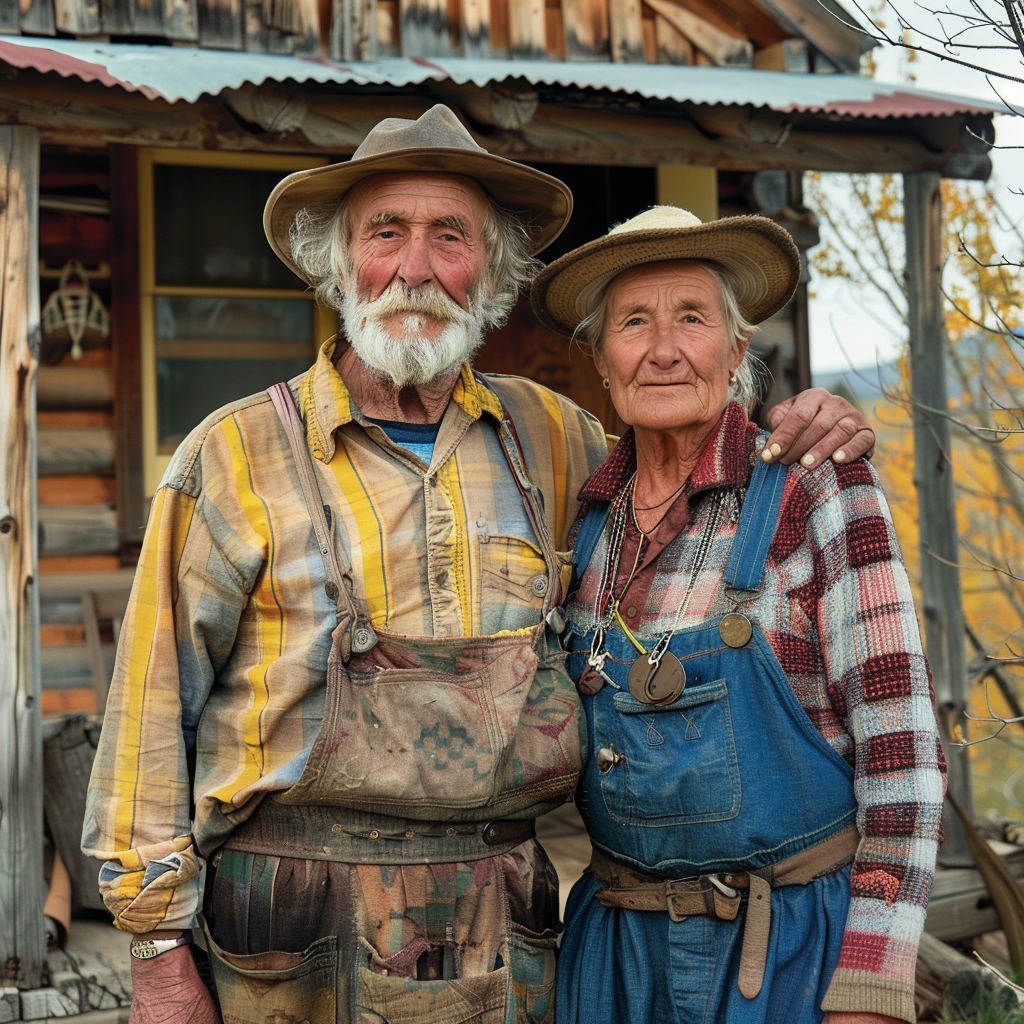
Barring horrible bad luck, we come out of the womb into the world all shiny and hopeful (and messy) with our lives before us, but we don’t leave the same way.
I often talk about the environment of our created worlds, and how it needs to show the marks of its history, but of course the same is true of the characters in that world. Both their bodies and their minds are marked by their efforts and their experiences.
What that means to how we use those characters differs depending on how well we know them.
In a single short story, we know little about a character’s past – just enough to ground him for us and match the premise of the tale, and in the course of the story there will doubtless be some sort of change of state that makes the story worthwhile.
In a novel, we may see his progress from the earliest beginning all the way to the end. At the very least we will see him in one state, with all its preceding history, and watch him as he changes, to the extent of this one book.
In a series, either he will continue by a repetitive progression of similar stories with variations (e.g., ongoing detective series with limited personal growth) or he will continue by accumulating experiences, resources/damages, and so forth, so that by the end he may be quite a different person than when he started. Like the rest of us.
It’s our choice how much of a tale we tell, and what we want to show about a character, of course. But the point I want to emphasize is that experience changes people, and the longer the tale, the more we need to remember that.
It’s easy to accumulate external changes – fortunes rise and fall, personal damage leaves a mark – but I am most interested in the psychological changes caused by changes in fortune, loss of relationships, new responsibilities, personal history stamped on the body and the mind and always present, and so forth. The lives we and our characters live are full of accident, plans, setbacks, glorious success, devastating failures, and occasional moments of glory. We (and our characters) are the full sum of what has happened to us and what we did to cause it and/or rise above it.
We need to show that wear and tear as it accumulates in a life lived. A character who doesn’t reflect his life experiences and react accordingly with change is a cartoon: maybe a fun cartoon, like a James Bond or a Wiley Coyote, but not a very real one. A character may be strong, stubborn, determined, and all the rest… but a real character will change, even if it’s only to deepen his original impulses.
I write long form, and so I put my characters through a wringer, sometimes, but I’m not trying to break them. They accumulate the experiences and are changed in the process—toughened, wiser, more determined. Better people, to my mind, though they may have paid a price, as do we all.
What about you?


 Mad Genius Club
3 responses to “Wear & Tear”
One thing I’ve noted is the balance between providing history that’s not pure filigree to a dull or misleading extent, and making it look like the history of the world all aimed toward the events of the story.
Mileage is something all my characters seem to acquire. I know there are people who can write growing but non-aging characters and do it well, but I’m not that good. So people learn, sometimes the hard way, gain experience and grey hairs, and grumble about arthritis, needing reading glasses, I-can’t-be-old-enough-to-have-a-teenager, and so on. And ideally learn to work smarter and sneakier, not harder.
Unlike the author, who is still sore from being wildly optimistic about what my body can accomplish and not hurt the next day.
His mutant fingernails!