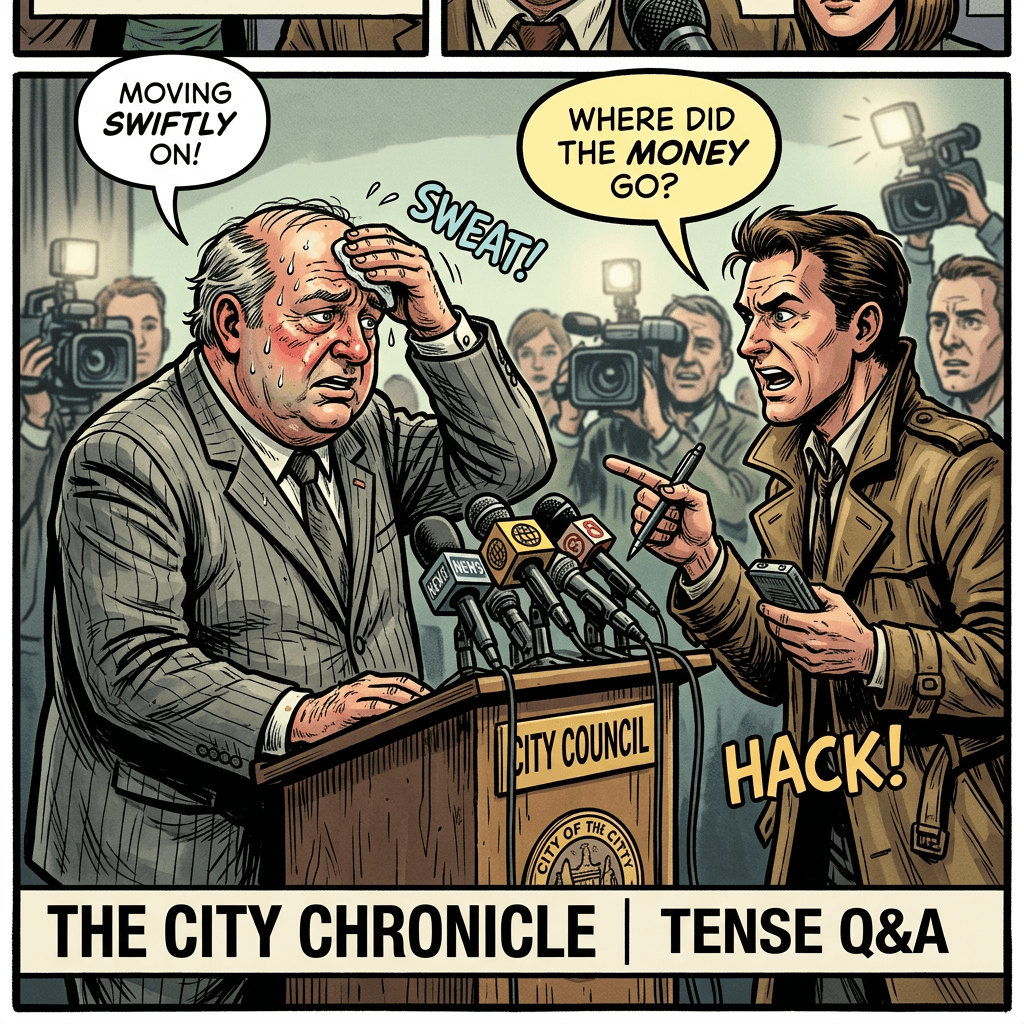
Well… I wish I was. But I am getting there. I’m still ‘in forn parts’. I daresay I shall miss at least the people I came to see, soon. However, what I was talking about was not a politician avoiding awkward questions (although similarities exist). I was instead referring to moving past the places a writer gets stuck at. I feel I am pretty impressively qualified to discuss this, as I have been stuck a lot. Sometimes I feel I am intended to be writing’s Pooh Bear, half in and half out of a hole I got myself into, and got stuck in by my own desire for too much honey.
Sometimes, yes, shedding some of the honey (the vast amount of delightful details) can help. Sometimes — speaking personally — it’s my subconscious telling me something is wrong. There are awkward questions about the plot or character that are unresolved. This is particularly true in early parts of any book for me, where the decision trees on the way to end are more like a coppice than a clear single trunk. The character is not clearly formed enough to force the probability in one direction or the other.
I’ve found three things particularly effective in these circumstances. The first is just leaving it to fester.
Sometimes that is necessary, hard when you have a deadline. In that case moving on to write a scene beyond that has often let me resolve that block. Yes, sometimes it has meant going back and adding or changing aspects of the character/s or adding or changing circumstances. The point is: once I have an answer, I can change things so it adds up to that answer. I know, then, what is needed.
The third is point of view. You’re stuck on a scene: take it from a different point of view. It’s not even necessary that POV is further forward in the story. I’ve had some success with taking the same scene (not necessarily from the same start point) and redoing it from the second POV. It often refines character, so I know which decision they’d take, or serves to add in a clearer view, making the possible decisions more limited (which is easier, really). I often get stuck there too… but I find I rarely get stuck at the same place (if I do, it’s ‘fester time’)
The other place I typically get stuck is not in a scene, but moving from one to the next. There’s a lot of boring stuff between the detailed disaster of losing a wheel on your wagon, and the detailed part about being attacked by the Apache 16 days later. There may be essential details about the change in setting or characters, and these ‘bridge pieces’ are hard to write well. Annoyingly, if done well, they’re near to invisible. Essentially they need a shift in pace (you’ve spent 10 pages on half and hour’s events, and the next exciting scene is 25 pages on fifteen minutes – with two weeks and 300 miles between them). I always struggle. Sometimes a line or two will do. Tell often – here- works better for me than show, and sometimes… just jump to the next scene and backfill in it.
And now I shall jump back to my current book, unless my grand-daughter requires that I go to Pirate school again, where I am to learn how to say ‘Dee-Dee is my friend’.






Leave a Reply