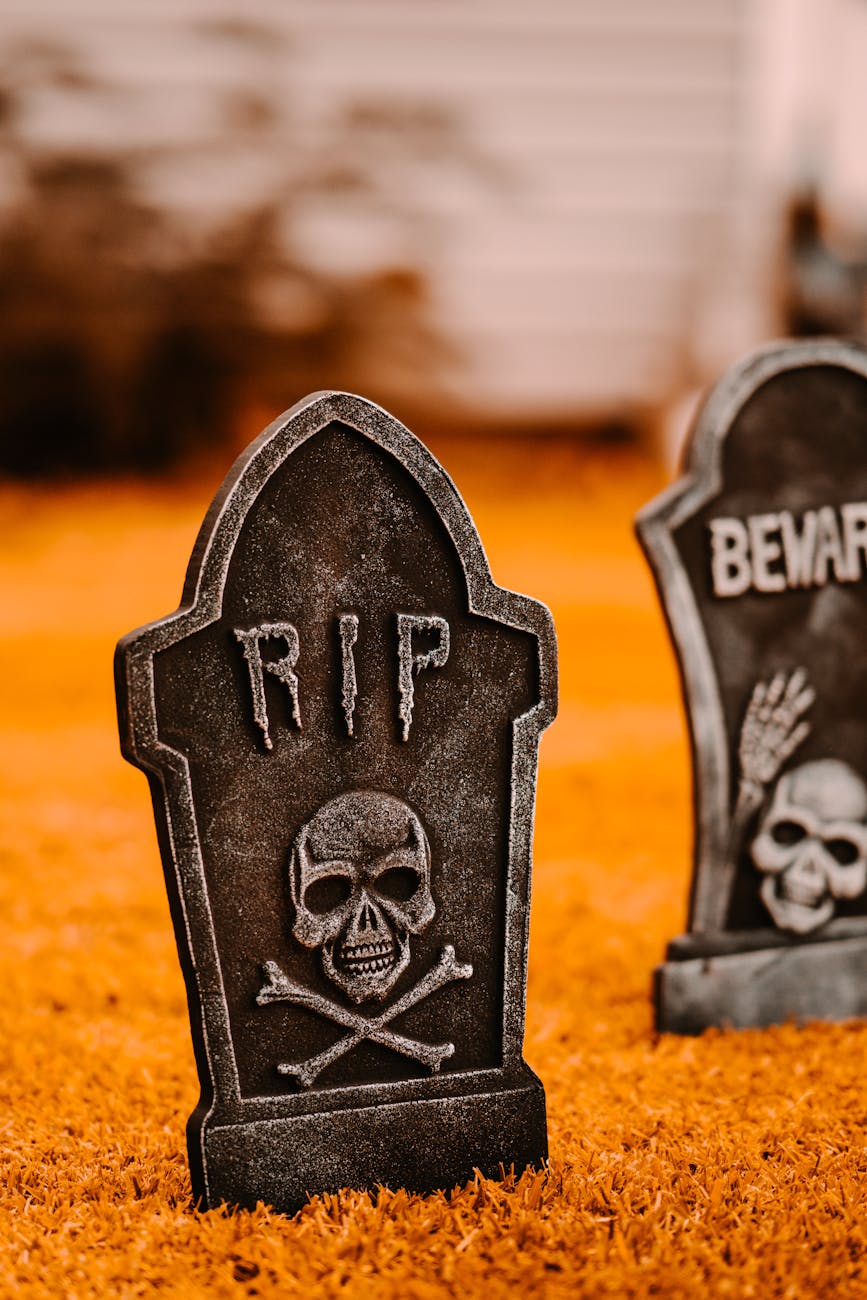
As an X post recently put it: it’s certain to add some spice if you’re writing an autobiography. In which case there is something to be said for publishing posthumously…

That said, it’s a grim necessity sometimes, and one I am not very good at. You can probably pick out my red-shirt characters at 500 yards, even if you are color-blind. It is the nature of some stories that some characters are going to die. The best we can give our darlings, sometimes, is a death that at least has some value, even if it merely to provide motive for the other characters to take action. I’m not much on gratuitous death for the sake of a body or gore count. My problem is I have seen a bit of it in real life, and it takes me to places I don’t really want to go back to. But it has its fans – and if that your market, I guess it needs be done.

What I actually wanted to write about was the opposite: where you become so fond of your red-shirt, you save them miraculously. Hey. Guilty as charged. But seriously, it is a mistake. Sometimes: if it’s not an autobiography… those are necessary deaths

9 responses to “Killing your darlings”

  1. Well, yes. Redshirts are always tempting. The bigger problem I find is what happens instead, if you don’t kill your heroes (because they are essential to the sometimes series-long plot).

    I am notorious for putting my primary characters through a wringer. Yes, at least they survive (mostly – no guarantees), but boy howdy they have to feel their hardships, as well as those of their loved ones. It’s too easy to make that a cheap trick, and I try to avoid that abuse, but I do occasionally hear from my more squeamish readers when a particularly charismatic redshirt bites the dust.

    (I do draw some lines, particularly “don’t kill the dog or the baby”). I don’t want my books to be flung at walls.)

    1. Don’t kill the dog or the baby is a safe rule.

  2. There was a supporting female character in Dragon’s Teeth whom I considered killing off, but since she had been the male lead’s girlfriend (twenty years before the novel takes place) who dumped him for hypergamous reasons, it felt mean-spirited.

  3. Heh. I added a girl friend to a book just to make sure my MC had enough skin in the game. Killed her in the climactic battle. The subconscious/Muse was *very* unhappy and refused to cooperate with the next work, until I went back added a last glimpse of her in the hospital.

    Then the words flowed again. I’ve been a bit wary of just adding characters so I have someone to kill ever since.

  4. I must be weird. I’ve written a few stories and except when I make the character a miserable creep, I always feel a little remorse when I kill them off. Even if I knew that was going to happen from the start.

  5. I have a story where I killed a character to be rid of him and despite not being a ghost, he haunts the rest of the novel. The hero is still angry with him.

  6. I killed a major heroic leading character in the second of the three books about the Hill Country Germans – hated to do it, but I had planned it from the very beginning, as I outlined the trilogy. Some readers have told me they had to take time for a quiet weep, when reading that chapter, set during the ACW. My alpha readers, who were reading the first draft as I wrote it, were sad as well, and asked if I could reprieve him. I couldn’t. The whole rest of the series narrative was based on his family coping with it all. I did put him in a later book set before, as a minor character before the civil war.

  7. There was one of John Sanford’s Lucas Davenport books where a kidnapped 7-year old girl is killed by throwing her in a well. When Sandford’s publisher saw it she told Sanford “Don’t kill the girl.” When he showed his wife the letter and the draft of the novel, she told him “If you kill the girl you sleep on the couch.”

    He rewrote the ending so the girl survived. (As I recall her clothing stuck on a nail trapping her in the well above the water, where she is eventually found by Davenport, badly dehydrated but alive.

  8. Then there are those who rant and rave about Women in Refrigerators, and how women should not die to advance men’s stories, and who never see that they are the very reason why women are used.

    I’ve known one to admit that characters would avenge a woman’s death when a man, otherwise identical, could die without being avenged, and not give up the notion that this meant that men’s lives were more valuable.

    Except insofar as she would burble about women lacking agency long enough to put the notions far enough apart.

Leave a comment

This site uses Akismet to reduce spam. Learn how your comment data is processed.

Trending