
Setting is important for all our stories. Tales don’t happen in a vacuum, even if you are writing space stories. Often, the landscape and weather are the stage for characters to move across and cope with, or enjoy, or grumble about. Mountains can be hard to cross, or can provide a refuge. Rain is a blessing for farmers, an irritation for travelers, or a disaster if it falls too hard or at the wrong time. Getting the landscape wrong can also toss readers out of the story, like one memorable episode of Bones where two characters are in Roswell, NM, and look over a ridge at El Paso, TX. Granted, it is only a three and a half hour drive (206 miles or so, 160 or so as the crow flies.) But the error was a howler and a half.
However, there are stories where the place is a character, or a weather event is a character. In the song above, Maria is the wind from a certain direction. However, it is also a character, turning thought back to other times and places, making sounds that “make the mountains sound/like folks are up there dyin’.” Maria moves the otherwise cool professional gambler “Rotten Luck” Willie to think about what he left behind and lost. In the book A Sea of Grass by Conrad Richter, the Plains of San Augustine are a character in the novel, changing their nature with the story and driving the action as they shift. Elmer Kelton uses the Edwards Plateau in Texas as a mirror of what people are doing. It seems easier to do in westerns, because the landscape is what defines the west (per Walter Prescott Webb, and other historians), or sea stories.
When landscape drives a story, taking an active role in events, it is a character. Think of a range fire as a monster in a monster film, pursuing the protagonist, punishing stupidity, rewarding effort rightly applied, and forcing the protagonist to face his fears and weaknesses before he can overcome the villain/flames and triumph.
Note that I’m not really talking about a supervillan or other character using magic to cause the landscape to stop the hero, or vice versa. The Ents vs. Orcs don’t count.
Cedar and others have talked about Man v. Nature. Landscape as a character counts in that conflict, and depending on the genre, might even be personified in some way, as Rotten Luck Willy does with the wind. Humans like to put names on things as ascribe motives to environmental effects and critters. It makes it easier for us to make sense of the world, even if we know in the academic or clinical part of our brains that the fire is not really a vicious monster, and the weather doesn’t care if we bake, freeze, or go broke because the rain came too late.
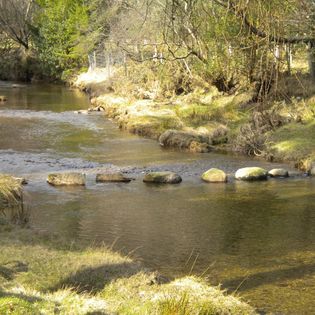
One example or two? Jack London’s “To Build a Fire” has the cold as the bad guy, which fits the setting (Alaska). Dune and the planet Arakis might count, depending on how you define character. The setting certainly drives and shapes the action. A hurricane, or tornadic storm, or blizzard, a river that refuses to cooperate, land that proves almost too harsh to allow human survival … all those can be characters in your story, driving the tale, hindering your hero on his journey, knocking him down a few pegs when he gets too cocky.

 Mad Genius Club
7 responses to ““My Name is Maria:” Environment and Weather as a Character.”
Had fun in A Diabolical Bargain shifting events around and realizing it had to start in the winter.
Yes. Seasons matter, especially if your society has times when they are all working (planting, harvest, something similar) and times when nothing happens (start of monsoon, annual flood on river, between crops.)
For some reason, I find myself thinking of a couple of Rudyard Kipling’s beast fables that might be described as “Nature vs. Man” with Man as the inscrutable force. “The White Seal” and “The Undertakers”, specifically.
I love The Undertakes 🙂
Me too! Probably my favorite from the Second Jungle Book. Such a great punch line.
I thought it was the wind that was Maria
It is a joke on the title, the wind introducing itself. I apologize for the confusion.