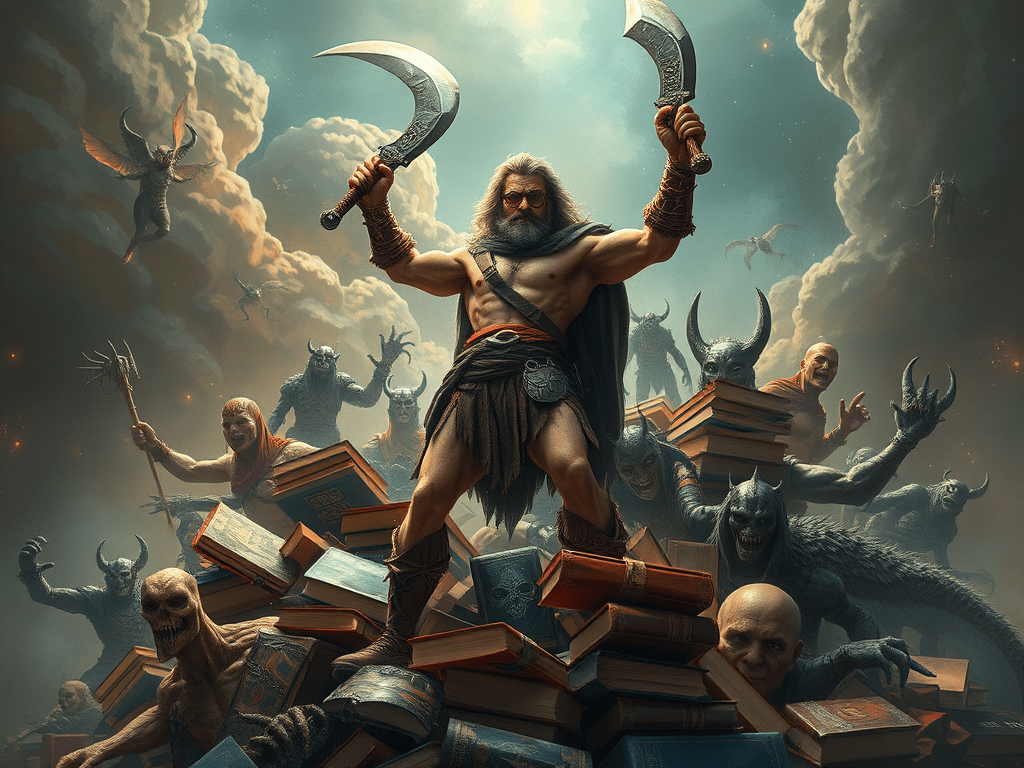
Perspire to aspire. This is often true unless you have a travelling spire (Rockets make great spires) and wish to go to another spire. In this case it is: per spire to a spire.
I managed to imbed a sharp flake of rust in my eye a few days ago and while the Doctor assures me it has been removed, it or perhaps the medication going into the eye are making me feel as sick as a… person in a Doctor’s waiting room who informs you they’re fine. The truth be told I’m struggling to read and my eyes are sore, and the gunk going into my eye leaks into my sinuses and makes me feel rotten – faint nausea and permanently hungry. Anyway, we removed a semi-trailer from under our house with about an inch to spare, after several weeks prep-work., detaching it from the house it used to support. This of course was what my dear local bureaucrats said was just parked under there. It’s a task which would have been light-years beyond them, and some distance beyond anyone who had any common sense, so I was the perfect person to do it. It has however left me dead on my feet (an improvement on dead), so this may be a more rambling post than usual.
What inspired me this week was reading a post by another author (no names, no pack-drill) who lamented the fact that much modern fiction had no leaders, no captains courageous, but that authors had fallen into writing what they knew about — ergo, mediocre people like themselves. Perhaps this is true. I don’t know.
However, the idea that you only write what you know about is a little tricky for fantasy or sf. The key takeaway I have from that is it helps if there are elements of a story that you know something about (especially if at least some readers know something about it) People often make the inverse of ‘Falso in uno, falso in omibus’ assumption – if you’re right about something they know about, you’re right about stuff they don’t.
Of course, the easy way out – sf/fantasy – is people. You might not know much about death-rays or were-griffins, but we all know people. Some of those we wish we didn’t – they make great villains. But many writers don’t actually know anyone quite like Mad Jack Churchill… but people who are closer to Dilbert.
The point I wish make is while it helps to have your character have a few traits readers can identify with, almost all of us have one characteristic: aspiration. The plump shy cubical-nerd somewhere has little germ of a Conan the barbarian in their imagining. The rather dull girl with acne and the social skills of a mole… has a little spark of Zenobia the adored Queen of Ir. Spell it out right, and they will want to identify with your characters – because there is always a tiny spark of aspiration in any ember. Even if they just dream it, and for a few hours in your book suspend disbelief, they will love it.
And some will go on to live it.




 Mad Genius Club
One response to “Aspire”
That’s the wonder and glory of RESEARCH. You don’t have to be a subject matter expert; just know where to find the answer.
This was possible back when your resources included Rand McNally’s, Encyclopedia Brittanica, and your local library. Now, with High Speed Internet and the World Wide Web, finding the answer is easier.
But a caution: it’s even easier to get lost in the woods searching for a particular tree. Rabbit trails exist in both real and digital worlds. They are willow-wisps we delight to follow, but don’t help much in particulars.