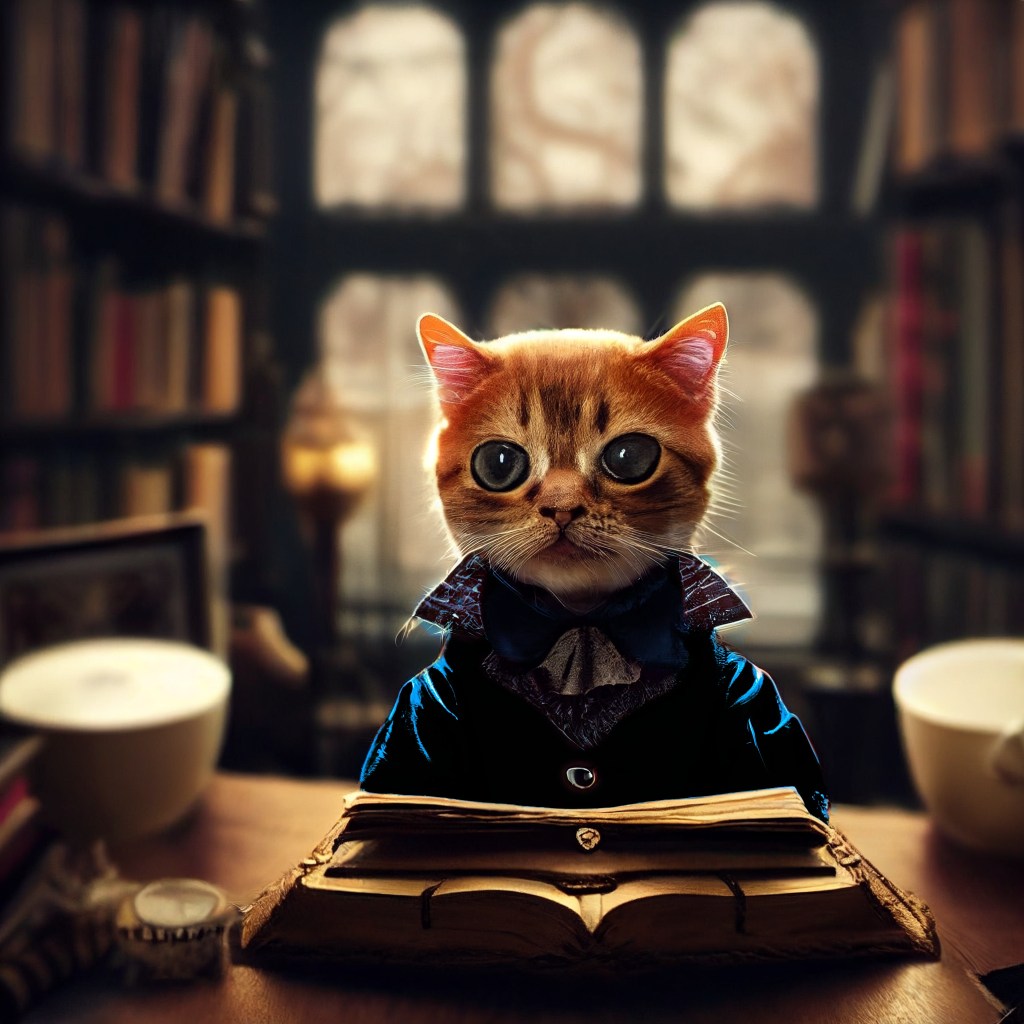
Done and dusted, the book’s finished, I’m goooooood. Except … except there’s a massive plot thread waving gently* in the breeze, drawing the eye of all in the area. Oh dear. How did I miss that?!? Oops.
The “how did I miss that” is pretty easy. I mentioned it, then did not put it in the rolling notes I have at the end of wherever I am working. These tell me what needs to happen next, or to happen at some point, things I’ve mentioned, and events the characters have said will be coming up soon. At the end of a section, I might have: [Hole in road, curse on hole in road, more Celtic research, Lucy takes AJ to pediatrician in Riverton on Wednesday. Deer seen again, Celtic magic outbreak]
This is not the plot. That’s usually half in my head, and half at the end of the document where I can glance at it from time to time, and amend it as things change while I write, because that’s how my mind works. I also have a separate world guide with major characters, their kids (if any) in-world vocabulary, technical details (if needed) and so on. But the [] notes help me keep track of who’s where, when if that matters, and things I need to mention, or have happen, OR explain if they didn’t happen.
So I got to the end of the main action of the story, and sat back, pleased with myself. All I lacked was the final wrap-up chapter, tidying some things, a bit of foreshadowing for the next major story, and I was golden. Time to break out the good chocolate and—
The plot thread waved at me, hanging out there, untied, growing longer as I watched. No, it did NOT need to extend into another book, because that would take the series in a direction it doesn’t need to go. However, I couldn’t leave it lying there. And as I started considering how to weave it back into the story, I realized that the main action wasn’t over, because of this thread, and because that would be too easy on the characters, leaving an even bigger problem for the next book (and something I don’t want to do research on). So …
I reworked the ending, tied off the plot thread, made things more realistic both in world and for readers, and tied the thread back to the larger theme of the story. I’ll still have to tidy things here and there, but this also turns the earlier appearances of the thread into proper foreshadowing rather than asides with nothing to pin them to. The book is better, and things are complete, at least for now. The main problems have been solved, new shoes have been obtained for the toddler and his older brother, the protagonist has survived the annual onslaught of too-cute pastel Easter cookies, and all is mostly well, ish, sort of.
Do you have to tie off all your plot threads? Well [wags paw] it depends. Minor threads that readers can finish for themselves you can wave to and then move on. Doing so leaves space for readers to weave their own headcanon, which isn’t a bad thing. Major threads that have been mentioned several times, and that the characters seem to think are important? Yes, OR you need to be clear that this will get dealt with in a later book. And be sure to write and release that later book. Readers will accept that, especially if the current story still ends well. If you look at the Familiar Tales books, you will see that there are some plot threads that end in each novel, and others that continue through an arc before resolving. All the threads are tied off by the end of the last main-series novel.
Tie off your loose threads. Readers will thank you. Or be clear that you know that they know that something’s unresolved, and that it will be taken care of in the next thrilling episode of As The Pages Turn.
*Around here it would be flapping madly, unraveling even farther in the 25 gusting to 45 MPH winds.


 Mad Genius Club
5 responses to “There’s a Thread Flapping At Me!”
Does real life ever tie up all the threads? 😜
No, but reality can get away with it. Authors don’t have that privilege!
Well, it DOES end all of the threads. That’s why Someone carries a scythe. 😎
If real life gave us satisfying stories, why would we read fiction?
This is why it is important to read through any story at a canter near the end. Fast enough to pick up these threads. Or to pick up that you accidentally tied off the thread twice.