I’ve been struggling with what to write about today. The last week has been simultaneously very busy, very difficult, and very good. I have done little writing, no marketing, and have nothing really to report on the Mad Genius front. The family news I mentioned in last week’s post was my father’s final day. We’d hoped for recovery, while knowing that he had battled valiantly against illness for years, which ultimately took the final toll. And then, from his sunset years, night fell and peace came for him.
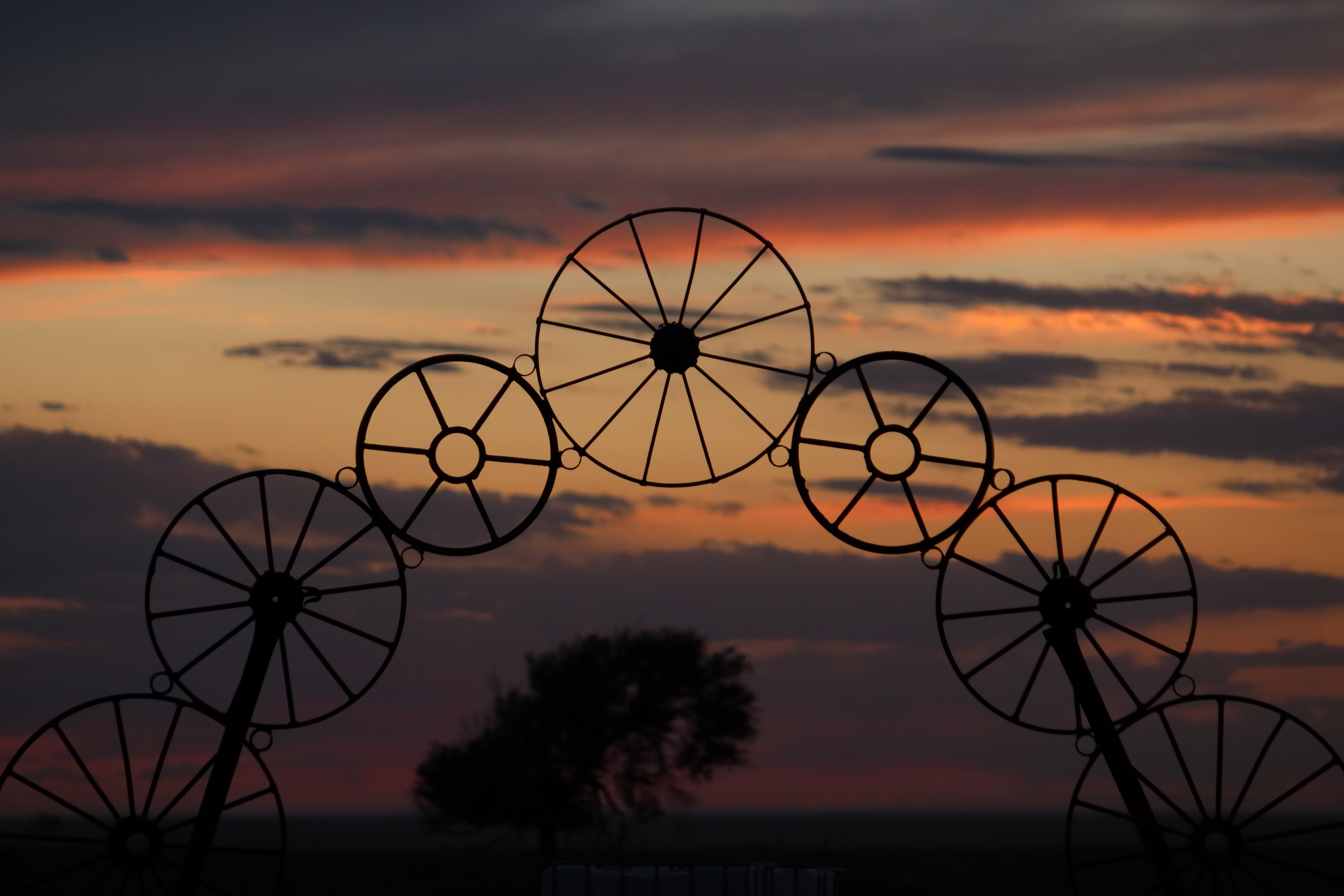
When I took the photograph above, it was because he first put a camera in my hand about age six. He and my maternal grandmother both influenced my love of the art. He gave me his film camera a few years ago, and I intend to put it to use this year. I haven’t shot film in many years, and there’s something about it… with the digital, I can take a dozen shots to get one good one and often shoot hundreds of exposures on a day where I’m trying to capture bugs. With film, you have between 24-36 exposures on a given 32mm roll, and you want to make them count because you’ll never visit that moment again. You’re only there once for that specific sunset, event, place: a flashbulb moment in time and space and the shot matters.
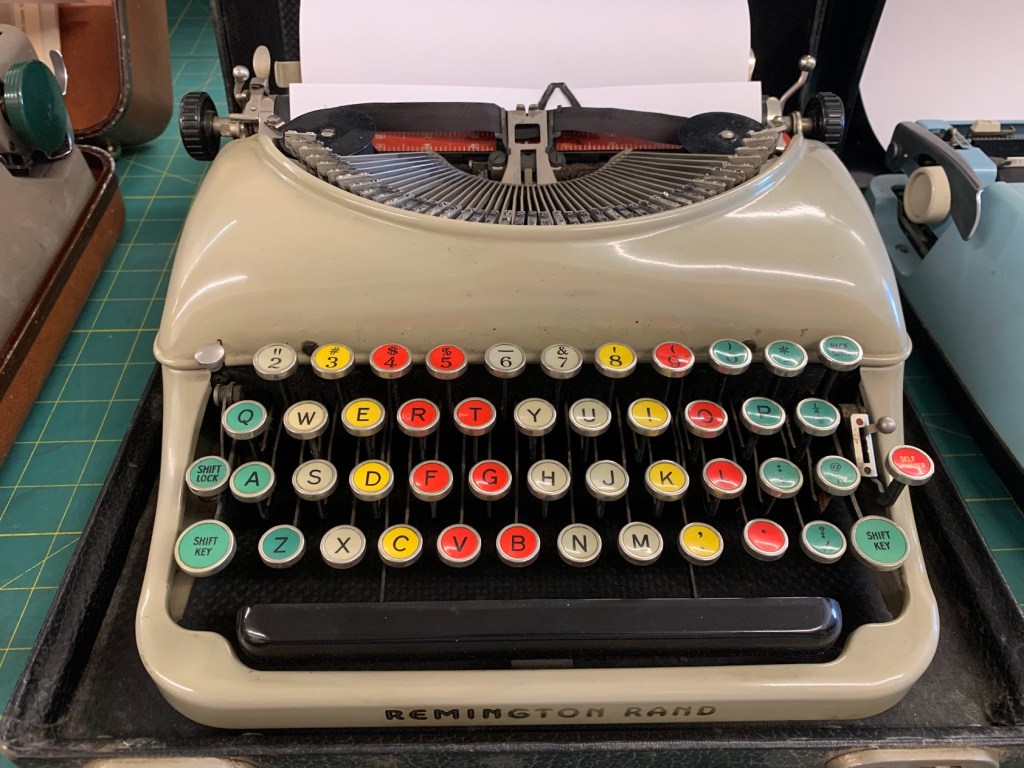
For the writers, the transition is similar to that from typewriters to word processors and computers. Suddenly you could flawlessly backspace, copy and paste a whole section, delete a chapter without having to re-type the whole manuscript. The flow of words was faster, smoother, you have the time and margin to make mistakes and never fix them… because that is easier, too. If you have to re-type a section, a whole book, you’re going to change things and self-edit. You’re going to work more slowly, deliberate, to get things right because the consequence of a mistake isn’t autocorrupt, it’s time and frustration and heavily-muscled fingers as you pound it out on the keys.

The very good part of the week I referenced has been having my son come home on leave. I’ve passed that familial love of photography on to him. He bought a very nice camera with some of his enlistment bonus, and has been amusing himself picking up cheap weird old lenses at estate sales to try and use (you can buy lens adapters for darn near anything). He has never shot in film, and I wouldn’t recommend he start right now, because he doesn’t have the foundation in it. Any more than I would recommend every writer step away from the computer and sit down with a typewriter, or even older school, the notebook. Now, what I will tell my son is that in due time he will inherit his grandfather’s film camera body. When my son isn’t in the military, and has time and space for his hobby to expand. For a writer? Writing with a typewriter or longhand is going to be painful at first. Not only the physical pain of typing fully manually (the pictured Underwood above is so stiff I can manage a couple of sentences before I start cramping. I have since been gifted a lovely typewriter, also manual, I’m hoping will be easier), but in the temporal sense. On a computer, I can fly through 1500 words in an hour, and more on a very good flow state of mind. Doing that with a typewriter is a recipe for tangled keys and re-typing the whole thing.
But that’s the point of going manual before you go digital. You can see your mistakes, and the transition of moving the words into the electronic realm will slow your brain down enough to pick up on the subtleties, and correct them. Which is why I’m even considering doing this. Taking a step back to slow down my hurried brain. To enjoy what I’m doing, dwell in it for a while. I can’t do that with every project, to be sure. I’m still looking for time-savers in my workflows because I have a lot to manage as a professional. But the time saved in one place can be put to use in another. Like carving out a few hours to re-learn shooting with film. I don’t plan to step back further and learn, like my grandmother did and I watched as a child, how to develop my own exposures. I wish I could. I don’t think it’s practical for so many reasons.
Take a moment to enjoy the sunset this week, if weather permits. The sun sinks early, these days.

 Mad Genius Club
9 responses to “And Then, Night”
That’s one reason why I enjoy writing long hand. My brain works differently, I can do it wherever I am (in a boring meeting at work, say), and then when I transcribe it onto the computer, it acts as a first editing pass.
Exactly!
I longhand in notebooks on and off, usually in situations where I neither have computer to hand or a good environment for dictation, and it’s interesting that at least one WIP (space regency) seems to come more easily in that format.
Longhand means limited description. I don’t have the space, or the mental bits, or the muscle (carpal tunnel*) to squander on excess description. I go more slowly, and have to be more selective with words, because they carry more weight in cursive than typed.
I too learned on film, and had to pay for my own developing. To this day I compose shots, move around looking for framing and light contrasts, and so on. I also keep in mind that my blog has a memory limit, so each image has to count.
*Using braces helps, but I still have to be mindful of how I grip the pen and if my wrist is supported, and posture, and so on.
I have problems with writing Longhand as well and adding to that is my problems with spelling. IE Stopping to think “How Is That Word Spelled”.
Years ago, I had a school assignment to write out a report in Longhand.
Mom allowed me to dictate the report to her and she wrote it down.
Later, I took her report and copied it in my hand-writing.
If your like handwriting but it suffers at speed, consider learning shorthand. There are resources online. Both major systems, Pitman and Gregg, are strongly phonetic, but have enough exceptions and special forms that you do have to learn, and find a used dictionary somewhere. Gregg requires more precision of form. Pitman requires light and heavy strokes
It’s cloudy now, but there was a delicate little sun dog, all the (actual) colors of a rainbow) in the gray a while back as the sun sank.
Ah, Cedar. These things which come to us. My father left just over a year ago, and it’s just not explainable or understandable to those who don’t know. I didn’t know. Also, each family, each loss, is individual. That said, should you ever need an ear to scream in, I’m here.
Stupid websites. That last comment—rumblinghermit is Debbie Reynolds