
Over at my personal blog, I’ve been slowly working my way through a spice Advent calendar. 24 days of flavor! Yay! How many ways can I make this interesting? Well, the easy and obvious way is for me to cook something, photograph it, and blog the recipe. My readers would largely be fine with a month of that. I say largely, as I’ve already noticed a drop in readership. I expected that. Many of my subscribers are not there for the food, and I am selfishly devoting a whole month to it. On my blog, this is my amusement, and after nearly twenty years of doing it, I can – nay! must! – amuse myself or I would have given up long ago.
Which doesn’t mean that I can do that here, or for the RacPress blog on the rare occasions I write for it, or if I am asked to contribute an article or introduction elsewhere. In those cases, I need to write interesting material on demand, to spec. Which means that I must find other facets of familiar things, in some cases, and present those. I plan to do that for today’s spice on my blog, as chili powder is lovely stuff but I did a chili recipe yesterday and I already am locked into the dessert I’m making tonight and I don’t think mentioning how good a sprinkle of it is in hot cocoa to be sufficient. Instead, I’ll talk about how it is made, how good it is when you make it yourself (and how), and I’ll try to take some really nice photos along the way. There are other angles I could take. I could talk about the history of it, how it is linked deeply into the cultures where it originated, and was bred from the Solanum species it started from to the hundreds of varieties gardeners grow today. This is true of most any topic. You need to find all of the facets of it, and then, prune ruthlessly.
You can, depending on the length of your work, write about one, maybe two… perhaps three, although that is likely going to be glancing mentions on your part, or painfully long reading on the audience. After that initial work on learning about your topic, and getting excited about it, cutting it back to a piece that will be interesting, cohesive, and convey to the audience what you want? Well, this is always the hardest part for me. How to approach this pruning will vary, but considering your audience and why you are talking to them is a good start. Are you trying to teach them? Amuse them? Rouse their emotions? Decide this, and it will give you clarity in what you are going to write for them.
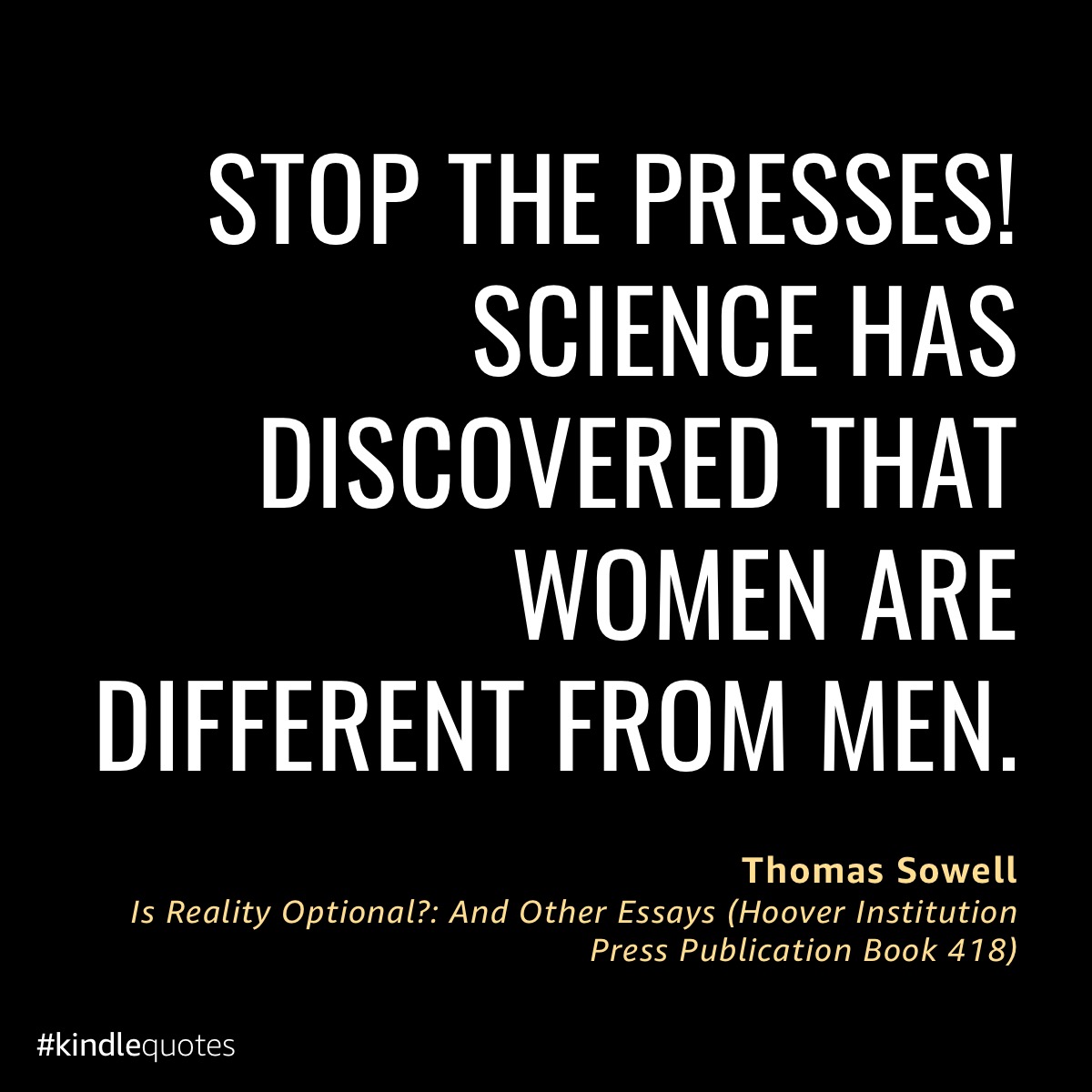
I have recently been working my way through a book of essays by Thomas Sowell. His is a brilliant mind, and I much enjoy time spent in it’s company. You could do worse than to study essay-writing by reading his work. He ranges from the dry academic to the droll semi-sarcastic, depending on who he was writing for. Your tone in writing matters. A retelling of the fable of the ant and grasshopper might not be the best thing for a scientific journal, but the bees knees for an op-ed in a newspaper (when those still existed, today the analogy would be a Substack article). Playful and scholarly have their places and times – in the best of scenarios you can and should combine them. Humor when well done is memorable, and a fantastic teaching tool.
After all of this, you begin to write. I did mention research, no? I see I did not. Research isn’t always necessary, however even with a whimsical piece you may find that you should look some things up. I wrote an introduction for Goblin Bazaar that involved several books, a few pages of notes, and the total in the book is something like 400 words of exposition and thumbnail sketch of the content. Could I have made it longer, included more of the research, slid a bibliography in the back of the book? Yes, but no. That’s not what it was for. It was for the rare reader who pays attention to such a thing in a fiction anthology, and to set up the blurb for the book’s back cover and Amazon listing. And not all of it would be included in the latter two places, which I was very aware of. Know why you are writing, but also, why you are researching.
All of this may sound like it takes a great deal of time and contemplation before the writing starts on an essay. Perhaps, in the beginning, when you are still learning how to craft words. After a couple of decades, I assure you, it will take very little time as you are building on the foundation you’ve put in place through much practice. You can be given a topic, write on it, and if there is research, you may already know where to begin (which is a topic all on it’s own, may be next week’s post!) and merely need to decide on the facet you plan to polish and present. Extemporaneous speeches are harder than writing on demand, but both are eminently possible with effort and a concerted study of the craft. Above all, it must be interesting. Your reader should find themselves at the end, not stuck in the middle bored and wondering what the point of it all is. And here you are.



 Mad Genius Club
5 responses to “Write on Demand”
I do essays at will, rather than on demand (thank god).
Typically I stumble across some recondite but delightful (to me) item deep within some topic or other that I want to share with people, and then it comes to a crashing halt as I try to calculate just how much I would need to tell them (as non-experts in whatever it is) before they can possibly get the joke (or even the point). (This is always a problem for in-jokes in specialized areas.)
Or, in brief, “Hey, look at this cool thing!” resulting in “I don’t get it” (or just delete).
I think that’s why there’s so much snark in general online writing — too difficult to bring people up to date in anything but current events, and those are plenty snark-inducing.
What I do is collect Fun Facts in a file and then every now and again do a post of them. Like this:
https://marycatelli.dreamwidth.org/1684684.html
I do love those lists of yours.
Thank you!
[…] Read more…. […]