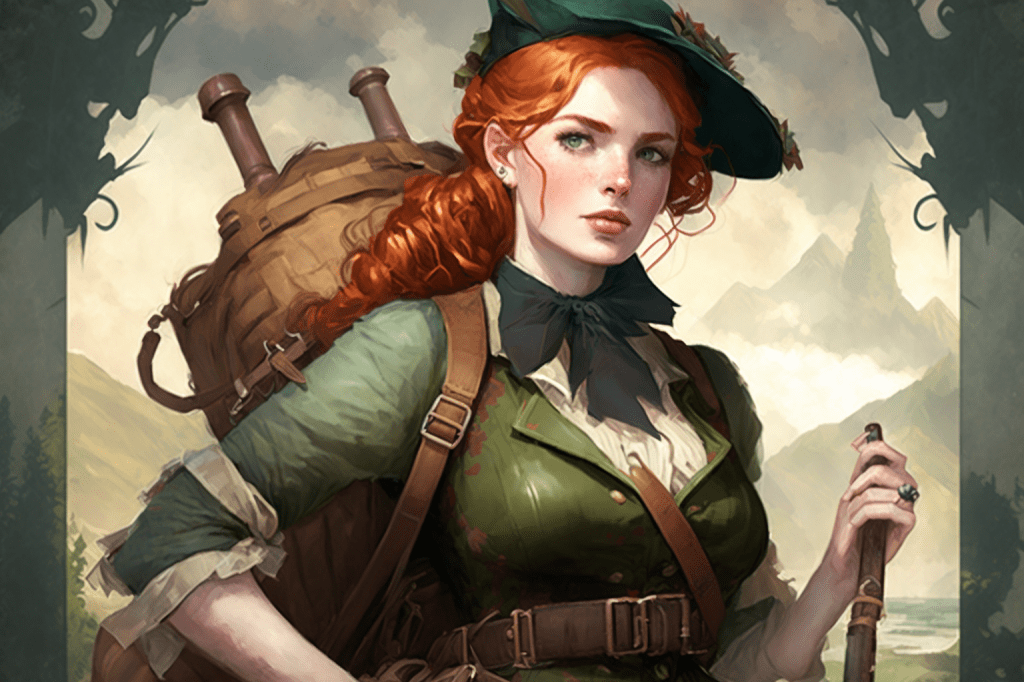
“But Cedar! Formulaic is Bad!”
No. No it is not, it’s shorthand, more often than not, for you don’t like it. Formula is a useful tool, and one most writers are using, even if unconsciously. In fact, to break out of being a formulaic writer, you must understand the formula first, and then deliberately set about stretching it into the shape you’d like your plot to be in. Because if you dash in there all willy-nilly like the kitten having zoomies this morning, all you’re going to do is break something with a resounding crash, and your readers will yell at you and banish you from the bedroom.
The trick is to be aware of the formula, and not stick so closely to the bones of it that you become boring. Let me back up a little, first. Why do I say that formula isn’t bad? Because, my dear young writer, it sells so well. There’s not much point in being an author who doesn’t sell books. Given you are here, and reading this blog, let alone this post, tells me you want to sell books. Also, think about essays (which this is an example of), and how they are taught. It’s a very definite formula, yes? There is a beginning, a middle, and an end. So, then, is the formula for a story. Sure, you are thinking of exceptions. There are always exceptions, and they stand out because they break the rules, you remember them because they break the rules in some way that was exceptional, not badly done, or you wouldn’t remember them. Besides which, if everything were an exception, that would be the rule.
That’s not what you meant by a formula? No, it rarely is.
Take brioche, or any bread, for example. It can be mixed up by recipe, and you’ll have a serviceable loaf of whatever it is. This morning, as in the sponge is rising while I’m writing this post, I’m working up a formula for brioche, since I didn’t have one in my recipe book. Brioche is a sweet, rich bread. I have done a recipe for it in the past, but the thing about recipes is that they are very limiting and also, imprecise. My existing brioche recipe is for a stuffed loaf (with cheesecake filling) and I’d like to have a formula for a standalone loaf that can be made into French Toast. In aid of this, I am weighing ingredients, keeping an eye on the percentages, and the ratio of liquid to flour (plus, using duck eggs, which will skew later recipes if I didn’t go the mass route). A formula allows me to know that I want, say, 50% hydration for a loaf that will be a specific texture.
Writing, for me, is a lot like cooking. I could give you a recipe for a story: Take one hero, mix with damsel in distress, expose to villain for for 30 minutes, then remove from heat and voila! Romance. Which… works. Sort of. I may be stretching the metaphor beyond it’s capacity there. I know for certain that the ingredients need to be in the story if you want to write a specific sort of story. A romance without two characters is a retelling of the tale of Narcissus. A science fiction story without science is… well. You get the drift.
Now, there are reader expectations and beats to hit if you are writing stories that will sell. I’m leaving aside the literary school of writing stories for the explicit purpose of breaking formula and ‘just because I can’ breaking characters as well. Most readers will get bored with those, or disgusted, and wander off looking for a story that makes them happy. Like a nice warm slice of brioche with raspberry jelly on it. Readers like stories that fit certain paths. I’m not going to tell you what those paths are (this post is long enough as it is), you either know them from what you like to read, or you need to read more, making notes, and then use those notes to distill into the formula you can use for your own work. Also take note of reviews, what people liked, what threw them out of the story, what they wanted more of. It’s not the typos, just a hint here. In a really good story, the reader usually misses those because the pattern is strong enough to carry the reader right past them.
In short, formula is a desired result for the writer. The reader wants it, and a writer working at being professional needs to understand it, take it apart, put it back together again knowing what it’s mechanics are, and then use it to create their own flavors of story. A really good writer can do this and write compelling, enjoyable tales, even within the formula of their genre, that the reader will crave and come back for again and again. A writer bored with the formula writing strictly to some perceived recipe will cause readers to wrinkle their noses and exclaim ‘ew, that’s so formulaic!’ before they go looking for their preferred formula of story. Writers who sell well are skillful, and more importantly, having fun with their formula.


 Mad Genius Club
14 responses to “Writing to Formula”
Genre = formula.
If you’re writing mil-sf, there’s a standard list of things you include based on that genre’s conventions.
The expert chef is the one who takes those as a base and then expands on it.
Which, come to think of it, is true for a lot of things, like software. Yes, a business needs accounting software to include a list of things. Making it fit YOUR business and customers while retaining those essentials is MY job.
Yep! Formulas are really useful. And my brioche is looking pretty good 😀 I think I’ll do a chocolate one sometime soon… Because once you establish the basics, you can start playing off that.
That brioche sounds wonderful. Will you marry me?
Mercedes Lackey’s first book starts off 100 percent formula.
And it was awesome.
I knew of some folks who hated her because of that (namely ones who couldn’t figure out why they weren’t getting the contracts and the sales that she was), and I told them – yes, the beginning of this book is absolutely formulaic, but it is incredibly WELL DONE formulaic and a lot of fun! Yes we all know exactly what’s going to happen next and we very much want to see it.
Like in all cooking (which has as much art to it as science) some chefs can take a recipe you’ve made a thousand times, and yet when they’re done with it, it’s something very special. Because of the minor tweaks they made along the way that just enhance the results and make them so tasty.
Absolutely concur with Lackey. She took a classic pattern, and then used that framework to work in all sorts of fun details, then create a world.
Tamara Pierce did something similar with the first three *Song of the Lioness* books. Twins send off to distant place for education, switch places, work really hard, have set-backs, work even harder, face fears, and then succeed. Very classic, and Pierce did a good job with it.
I’ve read a lot of formula stories. My big caveat is when a series follows a formula through out the series, unremittingly. After the third or fourth iteration, I start to lose interest in following the storyline.
The best idea, if you have a series going, is to have several formulas, and switch them out.
And you need to be careful with this, because readers will be frustrated if you leave out the elements they came for and expected. Change it up early enough.
Take a simple example: titles. You want the series titles to sound like they go together, but if you make it too narrow — color city emotion, say — it will get played out and you have issues if you change or if you don’t.
Some people knock out formula to pay the bills and produce the enduring classics in their oeuvre
formula writing isn’t a problem for me. actually, I think most writers and readers find the formula not only useful, but enjoyable. hitting certain expectations for your readers is a good thing 98% of the time (90% of statistics are made up 😉 it gives a sense of normality and conclusion to the story. of course that doesn’t mean that the story can’t be shocking, unexpected, or entertaining.
“Formulaic” is basically shorthand for “uninteresting”.
If you put boring characters in a boring setting following a boring plot, the result will be described as formulaic, even if it deviates significantly from formula.
I’ve done it without thinking much about it. If every bloody thing in the story is cliche, then why wouldn’t the proportions and sequence of events at least be correct if the whole exercise is paint-by-numbers?
Clarification: Described them as such.
(Not written them. Reading them was bad enough! Spending hundreds of hours with those characters would rob me of my will to live.)
In many cases, it’s not the story you tell, it’s how you tell the story. John Ringo is a prime example of that.
Scientist cooking… LOL And yes, formulaic can work both for and against you.
Authors who want to “kill formula” forget that that’s what us readers are often looking for!